

What Does It Take to Be a Great Coach? Skills and Advice from Industry Professionals
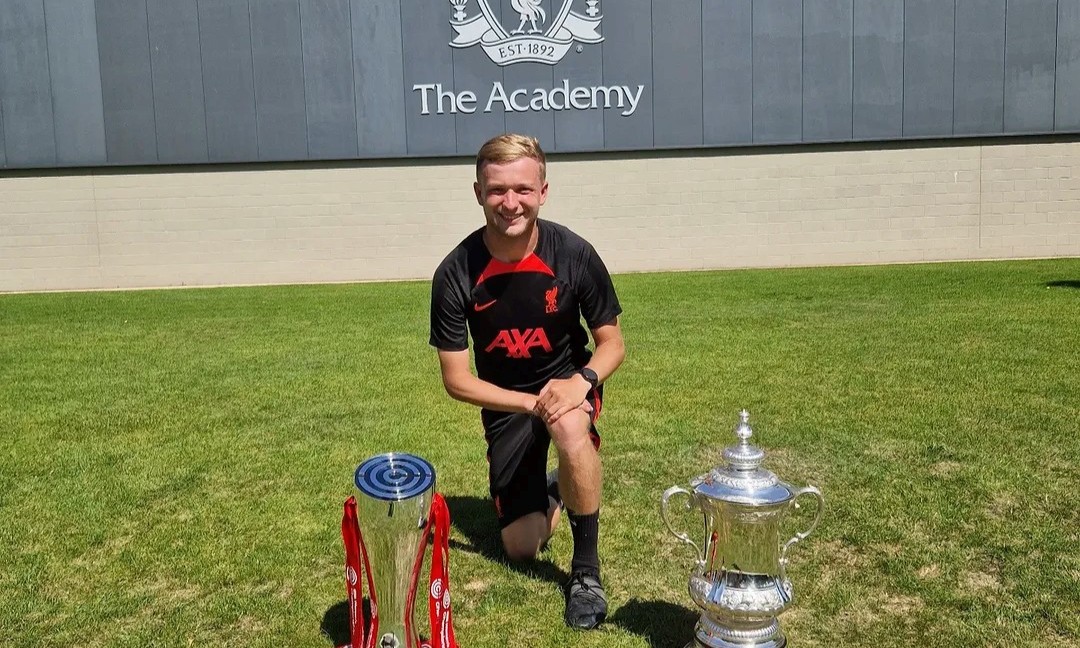
We asked three professionals working across football coaching and sport psychology which skills aspiring coaches should develop. Their advice covers how to spot potential, give feedback a coach can act on and adapt a session to the players in front of you.
What coaches can learn from scouting and analysis
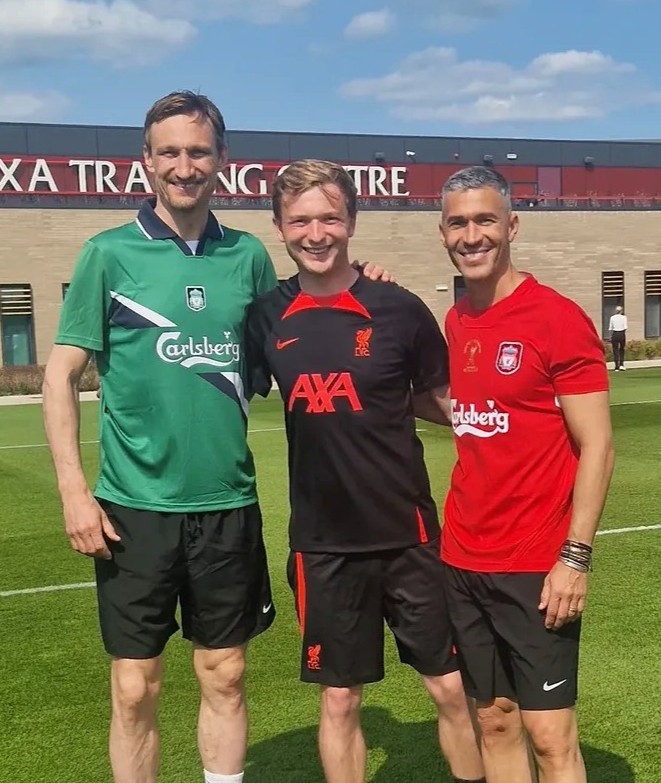
James Bush, a GIS lecturer and academy coach at Wigan Athletic, has seen player development from several perspectives. Before his role at Wigan, he worked as a scout for Wolverhampton Wanderers’ academy and as a Coach Developer at The FA.
“There’s definitely a lot of overlap,” James said of coaching, analysis and scouting. “All three roles require strong observation skills, critical thinking, communication and the ability to make evidence-informed decisions.”
For James, the difference lies in what each professional is looking for when they watch a player.
“That said, each role also has its own specialist knowledge. As basic examples, a scout is constantly evaluating potential, an analyst is interpreting performance data and video, while a coach is focused on developing players and managing people.
“Personally, I think having exposure to all three areas early in my career was really valuable because it gives you a broader understanding of the game.
“As you gain experience, you’ll naturally discover where your strengths and interests lie and can begin to specialise.”
Turning analysis into clear feedback
Spotting something in a player’s performance is one skill. Explaining it clearly enough for a coach to act on is another.
Dr Matthew Andrew, a Senior Lecturer in Sport and Exercise Psychology at Manchester Metropolitan University, has researched how sporting talent is identified. For anyone sharing their findings with a coach, his advice is to think about what the coach needs to take away.
“Coaches don’t want to see graphs everywhere, they want you to get to the point. How do you deliver your message? How do you feed back the data? How do you present it?
“Theoretical skills are important, but that doesn’t really come across when you speak to coaches. Your knowledge needs to be there, but you need to be able to communicate effectively.”
Adapting sessions to your players
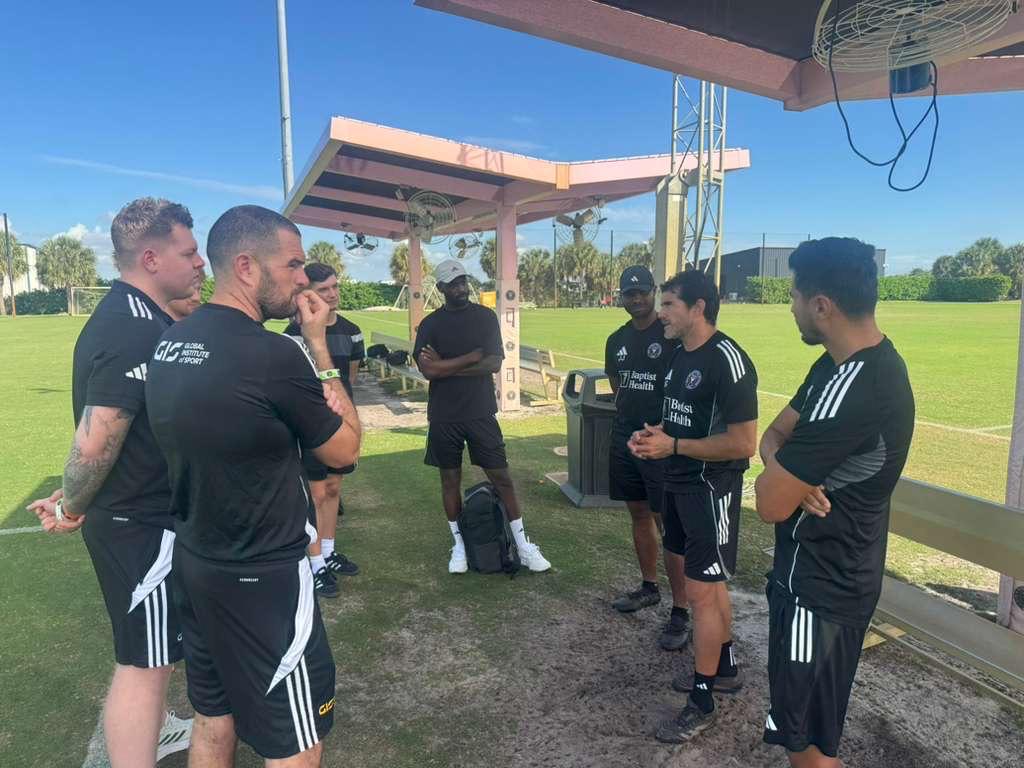
What do you do when one player has mastered a drill while a teammate is still getting to grips with it? For one coach working at a Premier League foundation, this is where knowing your players makes a difference.
“Especially in the Foundation Phase, it’s really important to vary what you’re doing.
“This includes regular progressions in session plans, but also individual challenges for those either excelling, in the middle, or struggling so that everyone remains concentrated.”
“It is difficult, but I think clarity and transparency is important, and being able to include parents and build a rapport with them as well as with their kids.”
Getting to know young players also means building relationships with the people supporting them. As the coach explained, “It is difficult, but I think clarity and transparency is important, and being able to include parents and build a rapport with them as well as with their kids.”
Putting it into practice
The next time you plan a coaching session, pick one drill and think about two players. What might you look for to tell you that one is ready for a new challenge? If the other needs support, what could you change, and how would you explain it?
To start your journey and learn from professionals like James, view our industry-leading coaching programmes.
Article by Zakaria Anani


You may also be interested in


Our Partners