

GIS Lecturer Chris Ramsey MBE on the Collaborative Development of Ballon D’or Winner Harry Kane
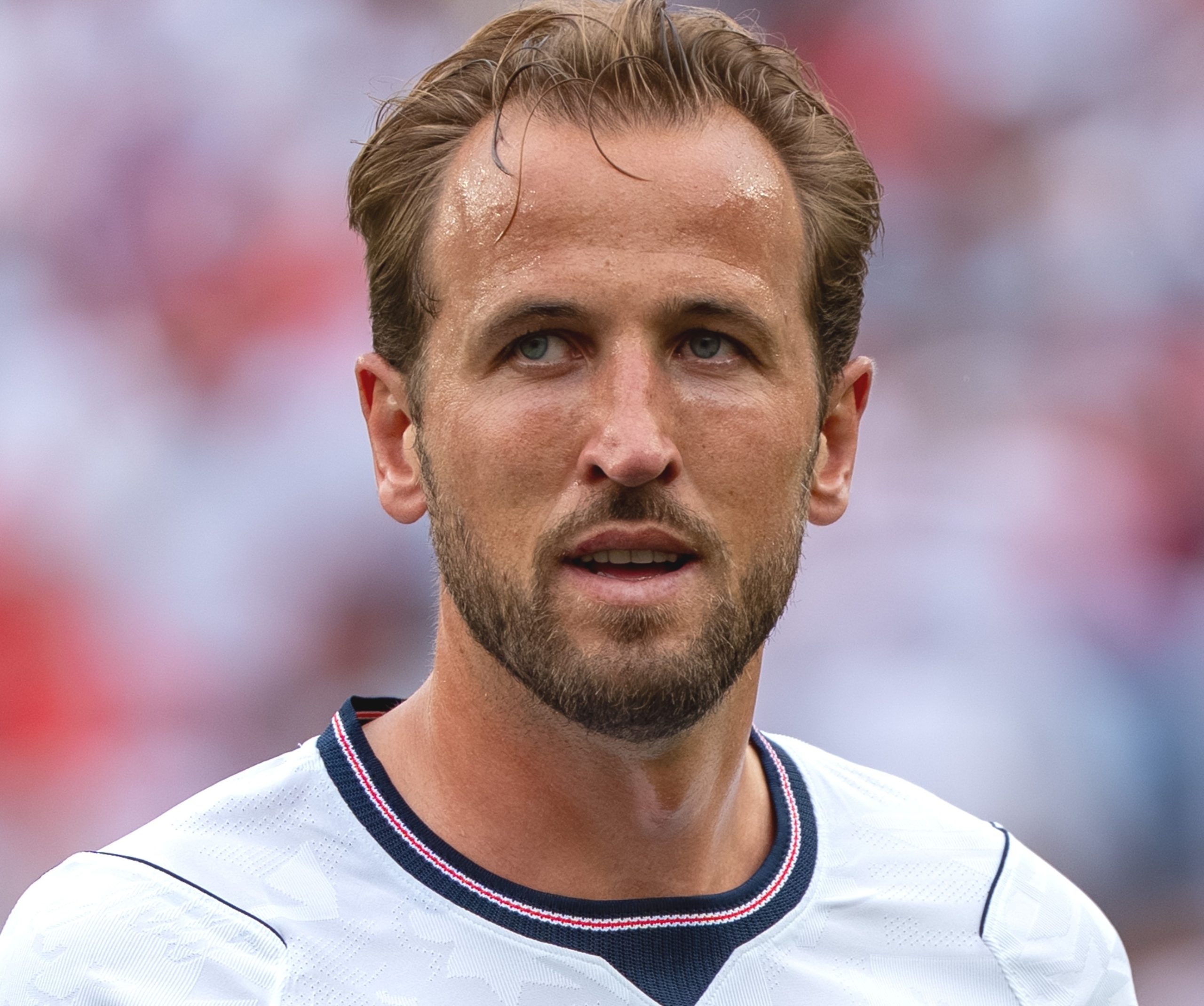
On 26 October, Harry Kane became the first Englishman to win the coveted Ballon d’Or since 2001.
Now regarded as one of England’s greatest ever footballers, his beginnings at Tottenham Hotspur were far from straightforward.
To learn the story behind his development, GIS spoke to Chris Ramsey MBE, one of Kane’s major influences for over eight years during their time together at Tottenham.
Now a visiting lecturer on GIS’ football coaching programmes, Chris was recruited by Tottenham as Head of Player Development for the Reserves and Academy in 2005, the year after an 11-year-old Kane joined the club.
A former First Division player himself, Chris later joined Tim Sherwood’s first-team coaching staff in the 2013-14 season, during which Kane was given his first Premier League start.
In this GIS exclusive, Chris reflects on his role in Kane’s development, and the challenges the striker overcame on his way to the top.
Harry Kane’s Development: Looking Beyond Pace and Power
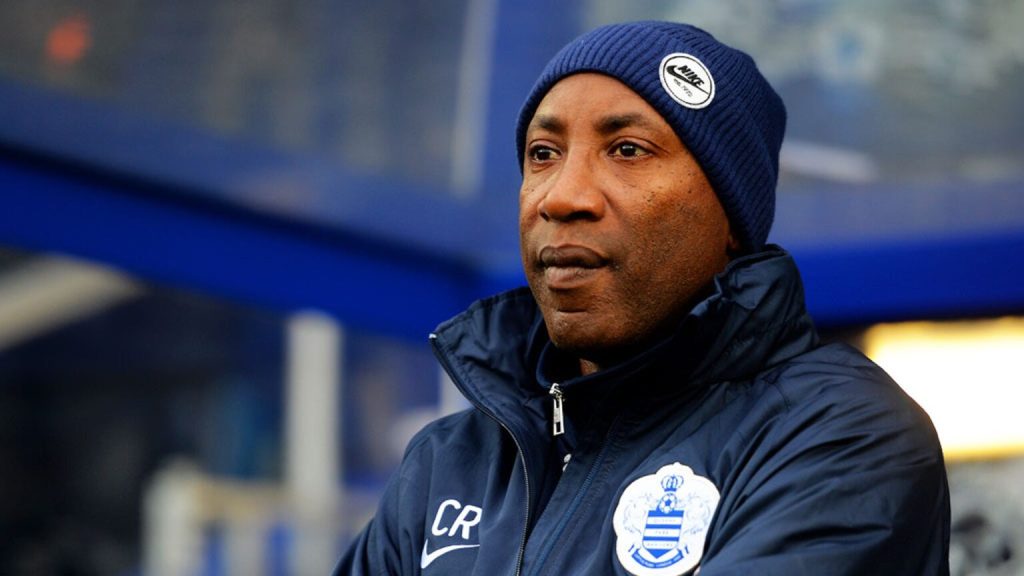
When hearing from those, like Chris, who have personal relationships with Harry Kane, the striker’s professionalism is a quality that stands out.
In Tottenham’s academy, Chris remembers Kane as “always quite strong-minded in how he worked and what he did,” and the striker continued to display this work ethic whilst out on loan. In a BBC interview, former Millwall teammate Darren Ward recalled memories of an 18-year-old Kane making a habit of sitting on his own after every training session, reflecting on what he could have done differently.
Alongside this maturity, Chris insisted that Kane remained an integral and well-liked part of the dressing room, telling GIS: “Harry was always one of the boys in there. He wasn’t elitist or anything like that, and to be fair, he wasn’t considered to be the top of the group.”
Surprisingly, at this early point in his career, the future Ballon d’Or winner wasn’t tipped to reach the heights that he did. Chris believes an emphasis on pace and power can lead academies to overlook technically gifted players like Kane.
Fortunately for Kane, he was afforded time to develop by Chris and the Tottenham coaching staff. They had built a progressive environment that fostered technical ability and football intelligence, giving Kane the foundation to become England’s all-time leading men’s goalscorer.
“Anyone who was quite technical would always have a chance of us waiting for them,” Chris continued.
“Someone like Harry, traditionally, would have probably been dropped out of an academy system because he’s not very fast.
“A lot of clubs say ‘it’s all about pace and power.’ Well if you do that, you’re going to limit the fact that there are people that are not initially blessed with that.
“The way we looked at it, there is a requisite level of football fitness that you need. But after that, it’s about game intelligence and technique.”
Years on, Kane remains grateful for the patience and belief shown in him during the early stages of his career, making a point of thanking Chris and his other youth coaches in his Ballon d’Or acceptance speech, saying that without them, “I wouldn’t be standing here today.”
As for Chris, he now wonders “how many Harry Kanes” slip through the cracks of professional academies “based on timing and naivety of development.”
Greatness from Small Beginnings
Before becoming a face of the Premier League, Kane made the jump from academy to professional football through a series of loan moves between 2011 and 2013, a period marred with inconsistencies and challenges for the young striker.
“There were times when it wasn’t as smooth as everybody seems to think,” Chris said.
“Everybody thinks that he’s gone to the top in an elevator. But I’m telling you, he hasn’t.
“He’s gone up the stairs, he’s fallen down the stairs, got up again and gone back through.”
After an initial spell at Leyton Orient, where he scored his first professional goal on his first professional start, Kane was sent on loan to Millwall, Norwich and Leicester in quick succession, where he faced the same issues that many loanees encounter, including goal droughts and injuries.
During this time, he had to adapt to different environments across the football pyramid, a stark contrast to the consistent systems that many modern players develop in. Chris, however, believes Kane’s turbulent start in senior football benefitted him in the long run.
“First of all, you have to build the person. Everybody can see the Ballon d’Or winner, but there are other parts of the game, psychologically, that you have to learn and overcome. There’s the disappointment of being dropped, and the fact that you’ll get bumped by a big six-foot-four League One player.
“The variations in teams that he went to, I think, helped. Some were quite direct. Some were good footballing teams that would lean into his technical ability. But the versatility helped him to overcome it.”
During his Ballon d’Or acceptance speech, Kane agreed that these hurdles moulded him as a professional, adding: “I wasn’t the kid who went straight to the top. I had to experience the downs, I had a lot of loan moves, I had to fight my way to be the very best right now.”
More Than a Number Nine
Now at Bayern Munich, Kane is not only a leading goalscorer, but a world-class creative player, and his style of play is far from the orthodox striker that Chris Ramsey faced during his playing career in the 1980s.
Known for dropping into his own half to collect the ball, Kane’s style of play has been compared to that of a quarterback in American football – a sport he has shown a keen interest in playing – and this dynamism has led to many fan debates about just how many positions he could excel in.
For Chris, who has seen his versatility first-hand, there is no need to speculate.
“[In the academy] his predominant positions were 10, 7, 11 and 8. He could play probably any position when it comes to his game understanding and the techniques.
“9 was just another position for him. When he was in the U16s, we had another player, a big, strong, centre forward called Kudus [Oyenuga], so I’d play one off the other. Harry was the better footballer, so he’d play behind Kudus.
“I think Alex [Inglethorpe] and John [McDermott] probably rubber stamped him more as a 9 in the U18s. He’s more of a midfield player than he is a forward, believe it or not.”
So, why is it that Kane became a striker, rather than the midfielder he might have been?
“Because he was better than the other guy,” Chris replied.
The potential Chris saw in the raw talent he coached at Tottenham was eventually realised, as Kane progressed into a top scorer in the Premier League, Champions League and World Cup.
When asked if Kane’s potential was evident from a young age, Chris said: “I think it developed with time, but it has to be in you somewhere.”
Chris Ramsey MBE: A Career Developing Talent
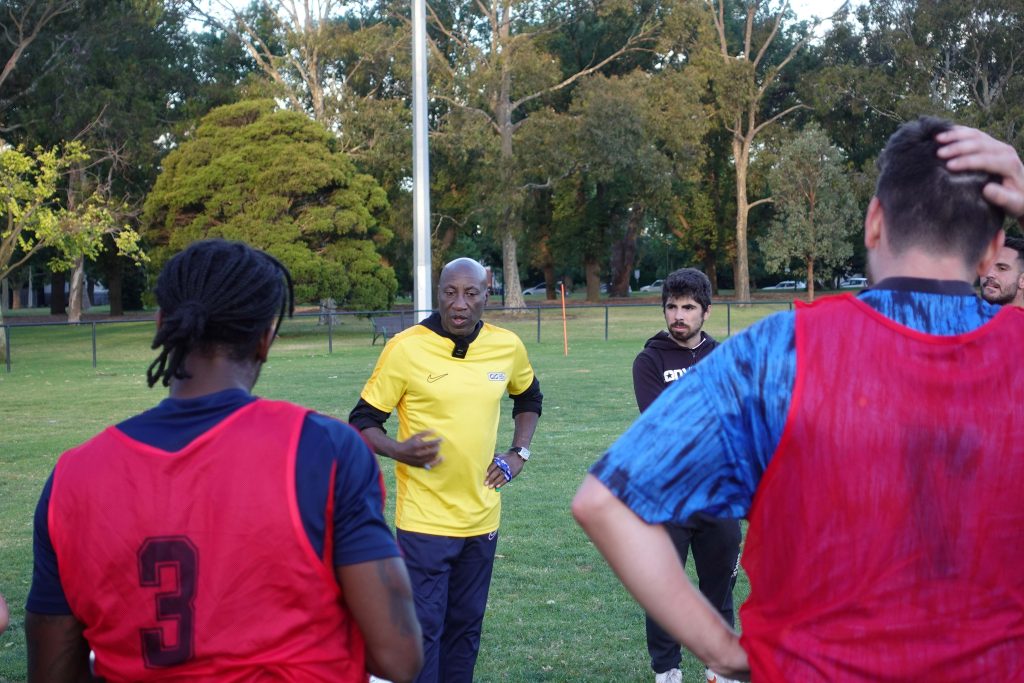
Following the conclusion of the 2013-14 season, Chris left Tottenham, and after a brief stint with The FA, joined QPR as Head of Player Development and Academy Manager. Within months, he found himself at the helm of the Premier League side when he was appointed caretaker manager following the resignation of Harry Redknapp in 2015.
In 2019, he was appointed a Member of the Order of the British Empire (MBE) for his services to football and diversity in sport.
One of England’s leading coach developers, Chris now works as the PDP (Professional Development Phase) Lead at The FA, where he oversees the U17 to U20 age groups for the England men’s national teams.
Alongside this role, he is also a lecturer at GIS, where he shares his insight into life as a coach with the next generation of the sports industry.
Click to find out more about our BA (Hons) Football Coaching degree and our MSC Football Coaching and Analysis degree.
Article by Zakaria Anani
Image credit: “Harry Kane England v Ghana 23 June 2026-219 (cropped)” by Bryan Berlin / WikiPortraits, licensed under Creative Commons Attribution-ShareAlike 4.0 International (CC BY-SA 4.0), https://creativecommons.org/licenses/by-sa/4.0/; image from Wikimedia Commons.


You may also be interested in

Latest news
December 10, 2024 |
Global Institute of Sport and St. Thomas University create America’s first Global Fútbol Management master’s degree
Read Post
Latest news
July 1, 2026 |
Off the Court: How the New York Knicks Ended a 53-Year Championship Drought
Read Post

Alumni
December 12, 2024 |
GIS Graduate on putting his Master’s degree into practice at AFL club
Read Post
Our Partners