

GIS Course Leader Sam Homewood on Modern Media and Working for Manchester United
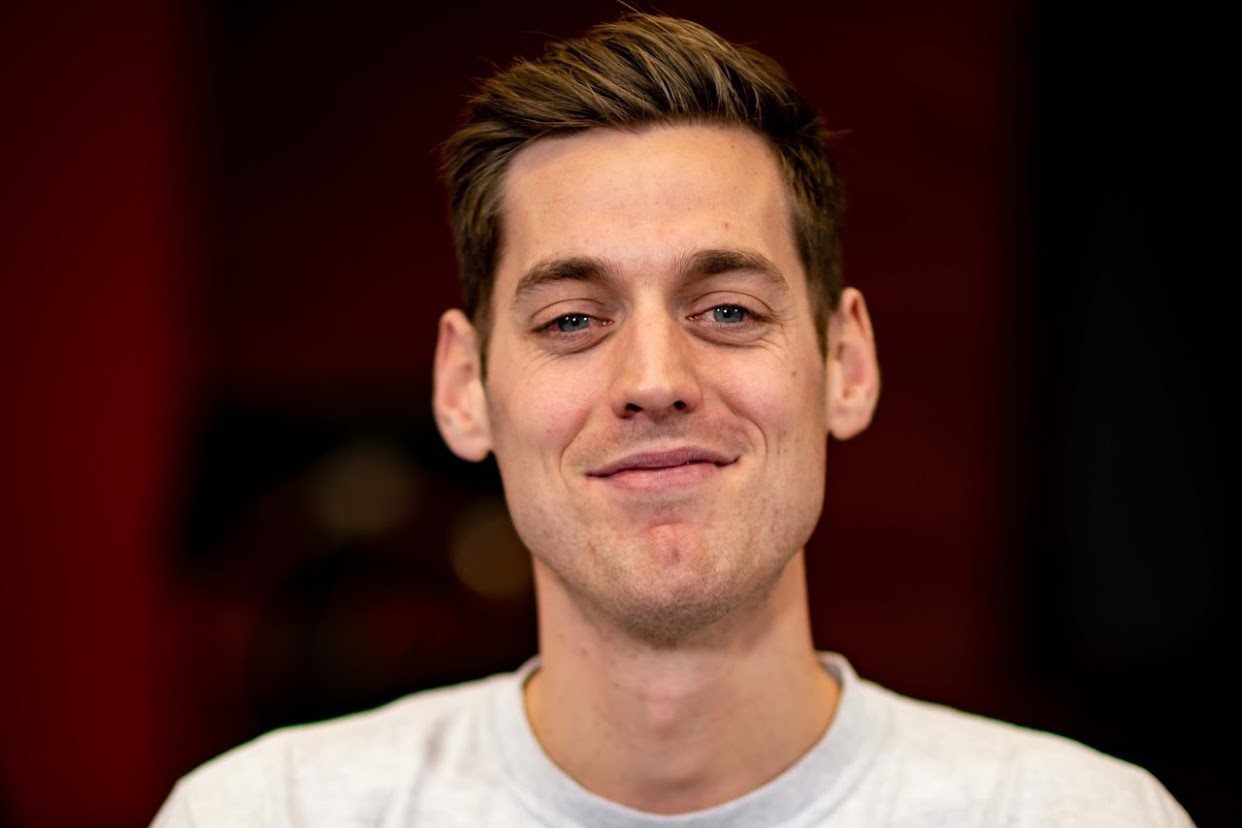
For many aspiring journalists, interviewing the biggest names in sport is the ultimate goal, and often the reason for entering sports media in the first place.
GIS lecturer Sam Homewood is someone who has done so, having worked as Manchester United’s Match Day Live and Podcast Host since 2018 and filming with the likes of Sir Alex Ferguson and Wayne Rooney.
He has also worked for broadcasters such as BT Sport, TalkSport and ITV during his career as a journalist and presenter that began in 2011 when he completed his master’s in Journalism.
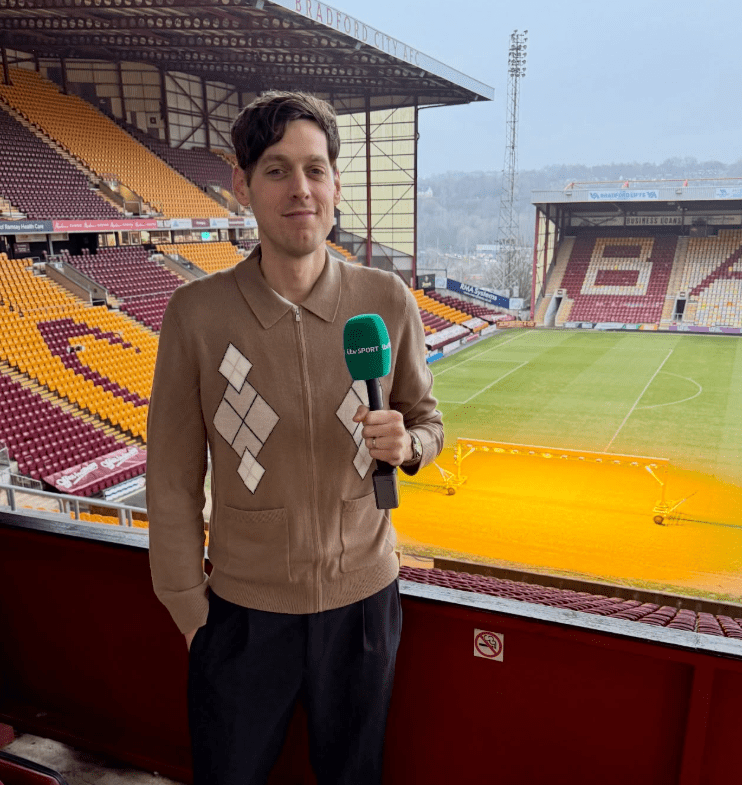
Now the course leader for our MSc Sports Marketing and Media programme, Sam spoke to GIS about his career, and the differences between his work at Manchester United and other media outlets.
“Working for club media is great fun because everyone is on the same team,” Sam began.
“If you’re interviewing players or managers there’s an immediate level of trust. But when you’re representing partisan broadcasters you might have to earn the trust of people you’re speaking to, as they don’t have that same reason to assume you’re on the same side, because ultimately you aren’t.”
Having studied himself, Sam highlighted the benefit his education has had on him since graduating.
“The simplest answer is more knowledge; by continuing my studies I was able to understand the media landscape at a much deeper level. It meant when I first started working I was more able to go above and beyond what was expected of me.”
Since he began working in sports media, the industry has evolved considerably. Current trends include changing consumer behaviours which have heavily influenced how sports are broadcast, and Sam outlined how he sees the industry developing over the next 10 years.
“This is the big one. AI will be involved, depressingly, but not necessarily in the obvious ways. It might be that it takes roles in production, editing packages or deciding camera angles. It will certainly shift how we analyse sports data and how that is relayed to audiences.”
“The same as always,” he added, Sam believes that adaptation is the solution for the next generation of journalists.
“Technological advancements in journalism are common, from printing presses followed by radio, television, the internet and then social media. Modern journalists must do what the generations before did and evolve, embrace technology and gather as many skills as possible across a wide range of platforms.”
When asked how students can gain a competitive edge in a competitive industry, Sam told students to “hone your skills.”
“Any student who wants to work in content creation absolutely should be doing it already. The job market is competitive, so make yourself as employable as possible by mastering as much as you can. If social content creation is the dream you should still make sure you could facilitate a podcast recording, or deliver written articles.”
Many of the attributes needed to do so are taught by Sam as part of the MSc Sports Marketing and Media course, which he recommends to any aspiring media professional.
“The courses are incredibly specific, but cover a broad subject area, which means students will discover parts of the industry they didn’t know exist and learn about the skills needed to succeed in those roles.
“We also make our assignments as industry focused as possible, so by the time they graduate they have already been producing work at industry standard.”
As well as media, GIS offers a multitude of programmes spanning business to coaching. To find the perfect one for you, explore our course offerings.Article by Zakaria Anani


You may also be interested in
Latest news
May 5, 2026 |
Understanding the New Premier League SSR Rules: How Clubs Must Manage their Finances
Read Post

Latest news
September 9, 2025 |
Studying at Lotto Park, Home of Belgian Football Legends
Read Post

Latest news
May 12, 2026 |
What is a Salary Cap and Why Are They Used?
Read Post
Our Partners