

Meet Your Lecturers: Jim Orvis on Wembley, Coaching Around the World and Bringing Theory to the Pitch
For aspiring football coaches, learning from those who have worked in the industry can offer valuable insight into the experiences and skills you need to build a career in the game.
GIS’ Meet Your Lecturers series aims to provide this, and in this interview, we spoke to MSc Football Coaching & Analysis Programme Leader Jim Orvis.
From a final at Wembley Stadium to coaching in China, Jim discussed a career that has shaped him as a lecturer, why the programme is useful to aspiring coaches, and how he challenges his students at GIS.
To begin, you recently won a trophy at Wembley Stadium. What was that experience like?
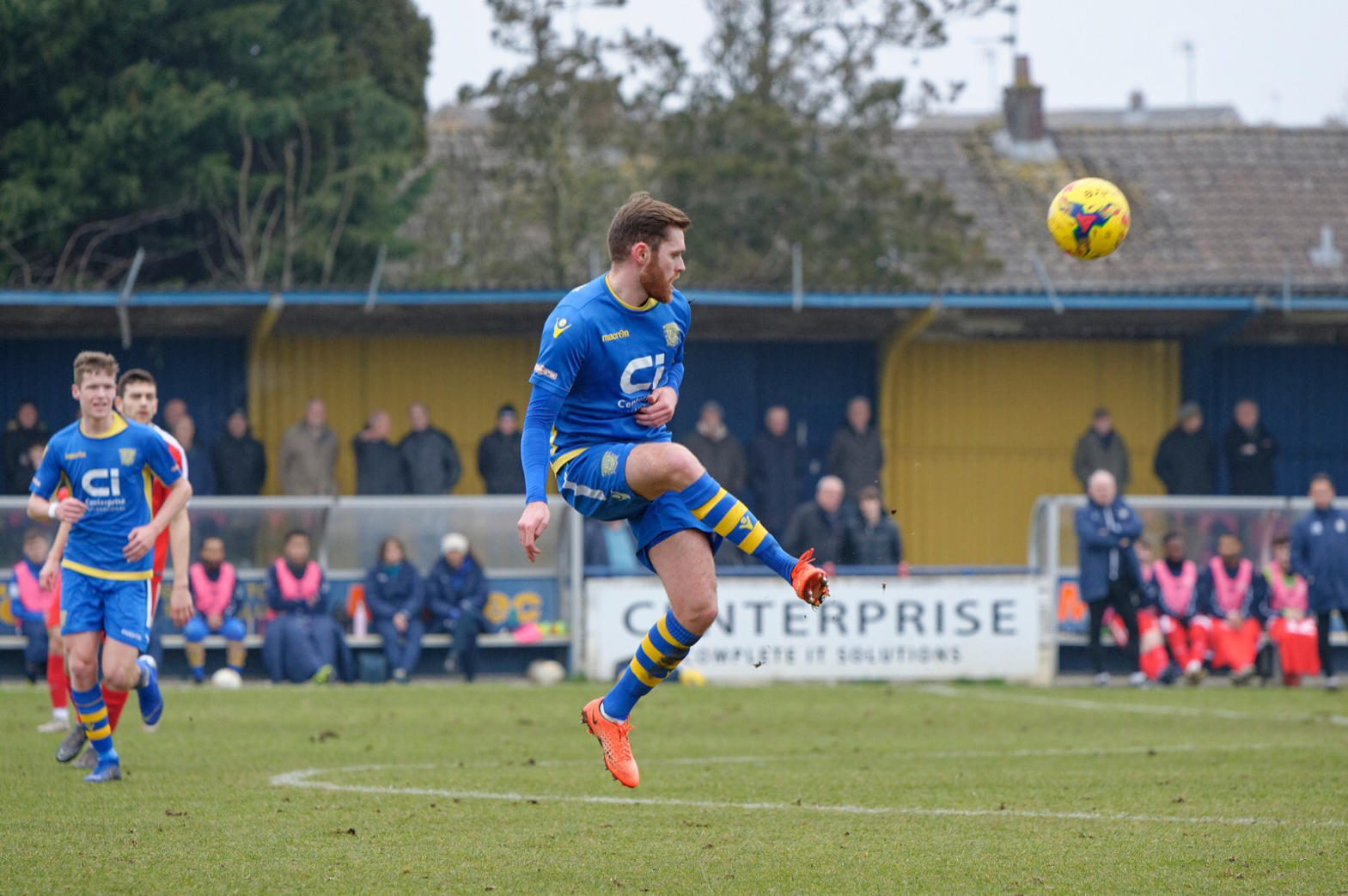
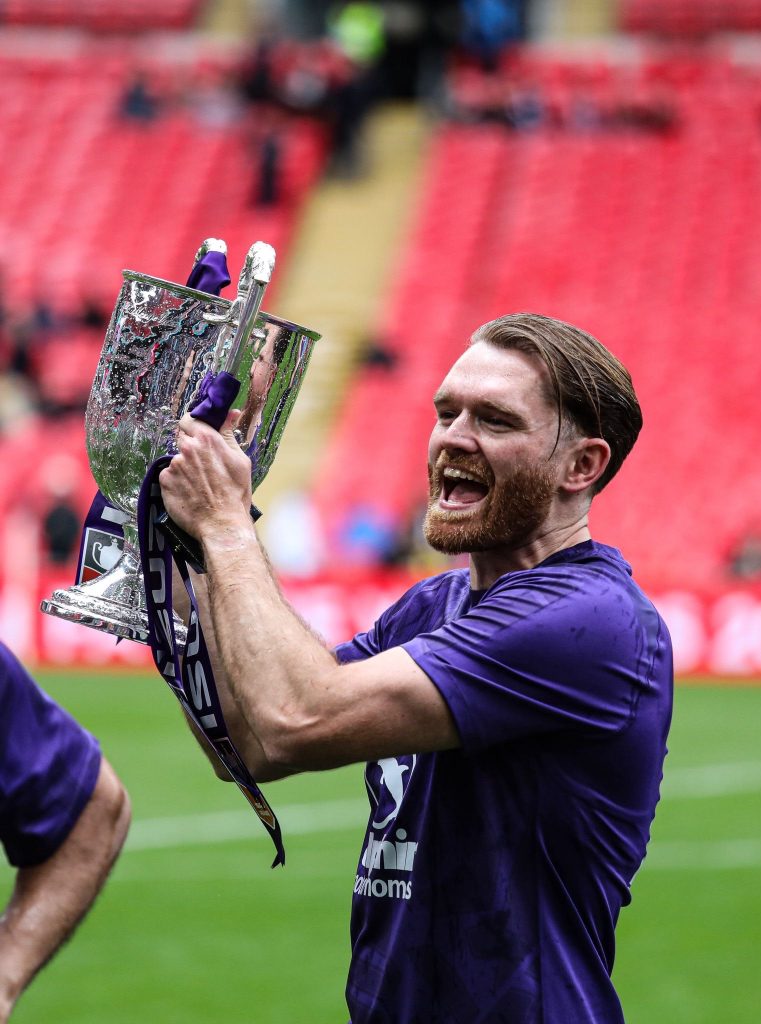
I played for AFC Stoneham, and we won at Wembley, was a decent day out!
It was surreal really, leading up to that. It was actually taking up a lot of time and I was never there for my little one’s bedtime, so I made the decision to stop playing.
Then I got a call halfway through last season to say: ‘Look, injuries are happening, Wembley looks like it’s on. Can you come back and just help relieve some legs a little bit?’ It was a bit of a no-brainer.
I didn’t think I’d be eligible to play at Wembley anyway, but lo and behold, as long as I was signed on prior to the semi-finals, I was good to go.
The final was surreal, absolutely surreal. It’s the best kickabout I’ve ever had, that’s for sure.
What about off the pitch, what has been your career as a coach like so far?
The experiences I’ve been able to have because of football and education have just been amazing.
I’ve played since I was four years old, through university for a non-league team and did a sports degree, then I first got that taste of coaching between the second and third year at uni where I went over to America and coached.
That ignited that fire a little bit. The following year, I went back out to America to play. Again, a really, really positive experience. Experiences that you’ll never forget, playing in front of 4,000 people in Detroit, where they’ve literally got ultras and flares going off, is a surreal experience.
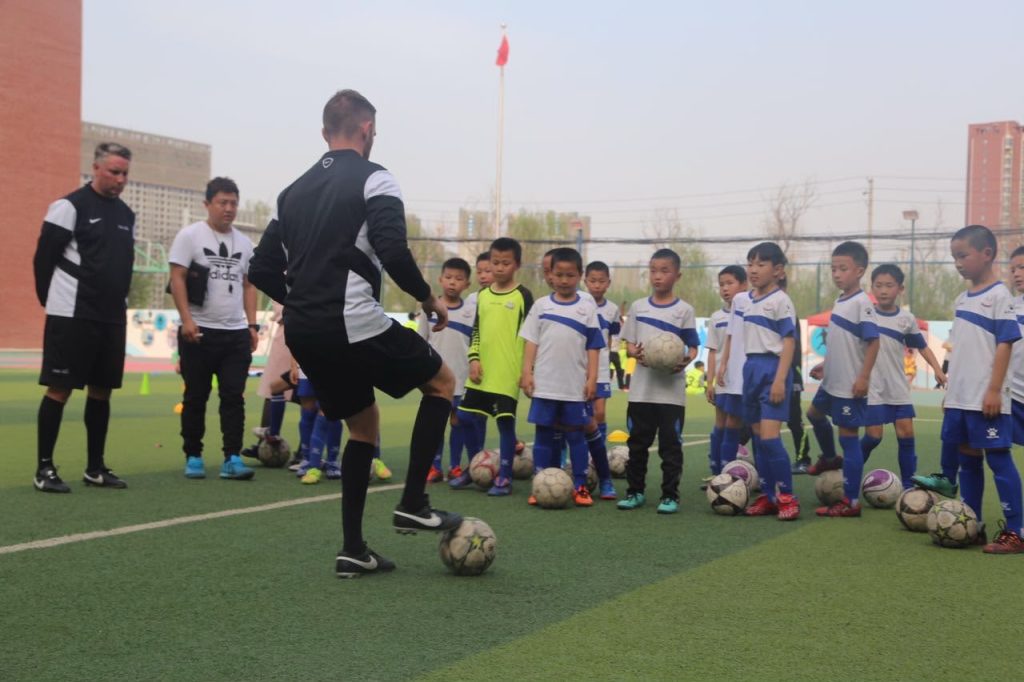
After that, I went out to China and started doing some coaching. China had a 10-year plan to win the World Cup and they started bringing people in that were going to mould their future players, so we went into a school that was seen as this regional hub for football and did a bit of coaching education.
Back in England then, what are your current roles?
So I’m coaching at Bournemouth at the moment, I was with the U13s last year as an assistant coach. Prior to that, I did a bit of an everything-role, really, from the U14s all the way to the U11s. I’ve done the majority of Foundation and YDP phase coaching at Bournemouth.
Then I coach on the UEFA C and the UEFA B licences for the FA, which I’ve been doing for six years, and this will be my third season with Bournemouth.
Were there any experiences that influenced how you coach?
In China, there was one session with the colleague that I was working with, a really experienced coach and certainly a mentor of mine, where we put on this session that you couldn’t plan.
I had a rough idea in my head, but the plan was absolutely irrelevant, because we planned for 20 people, and 40 showed up.
So everything’s thrown out the window, and he turned to me and said: ‘Right, what have you got?’
I was quite a new coach really, and I just had to think on the spot, but we rolled with the punches, got a session on, and everyone seemed to be enjoying it.
You walk away from those sessions going: ‘Do you know what? In a really difficult situation, in a country that doesn’t speak your language, and with players that don’t speak your language, you’ve still managed to get a session on with that amount of people still walking away with big smiles on their faces.’
When it comes to football coaching and analysis, students might wonder how theory can actually be applied on the pitch—how do the two things connect?
It’s a good question, and something that I make a really big point of with all the students—if it’s not usable, then why are we doing it?
For example, if the data I’m producing around pitch geography and getting the ball into certain areas of the pitch shows that it’s more beneficial in specific scenarios, I can directly use that information to plan a session and have conversations with the coaching team about implementing it.
We’re trying to bridge the gap between literature, academia and coaching, so usable information has to be the motive here.
What do you enjoy most about the course, and how would you say it prepares students for modern football environments?
I love the bridge between the coaching and analysis side of it. Connor [McGillick] is a wizard with all things analysis, data, recruitment and talent ID, so the bridge between him and myself is really positive.
It’s not often that you get to dip your toes into both of those worlds. When you’re going into coaching or any desirable role, you have to be able to wear both hats.
There are so many times now where you’re with other department members, whether that’s the physio, analysts, head of coaching, head of sports science, and you’ve got to be able to have a conversation with them because everyone’s there for the interest of developing the players in front of you.
I think as a student on that course, you’re being well-rounded to that development process and being able to have these conversations and implement change within these environments, within these departments. That’s football now, you have to be able to be part of that multidisciplinary team and understand the language.
How do you help students move beyond fan opinion and develop a more analytical approach?
I enjoy being able to debunk some fan conversations because we’re trying to get out of this fan mindset and try to slide more into this more critical, analytical way of thinking.
Within our live sessions, I’m asking students to tell me why. Tell me why that’s relevant. What have you come across that puts that into some perspective, into some context?
The big one this season was throw-ins, and we actually spent 45 minutes of a one-hour live session talking about them, their influence, and why they’re being so beneficial for teams.
We’re always going to get the almost pub-like conversations, but we’re trying to shift the narrative a bit, you’ve got to think more analytically.
If you’re going to work in this world, you can’t just say things, you’ve got to find and underpin what you’re saying. It might be true, but go and prove it.
Article by Zakaria Anani


You may also be interested in

Alumni
December 12, 2024 |
Olympic gold medallist looking forward to studying at GIS
Read Post

Latest news
September 25, 2025 |
Behind the Scenes at Global Stadiums: What Careers Are Out There?
Read Post
Latest news
May 12, 2026 |
What Is the Real Impact of Hosting a World Cup on Cities and Communities?
Read Post
Our Partners