

Meet Your Lecturers: How Gustavo Spanholi Teaches the Next Generation of Football Agents
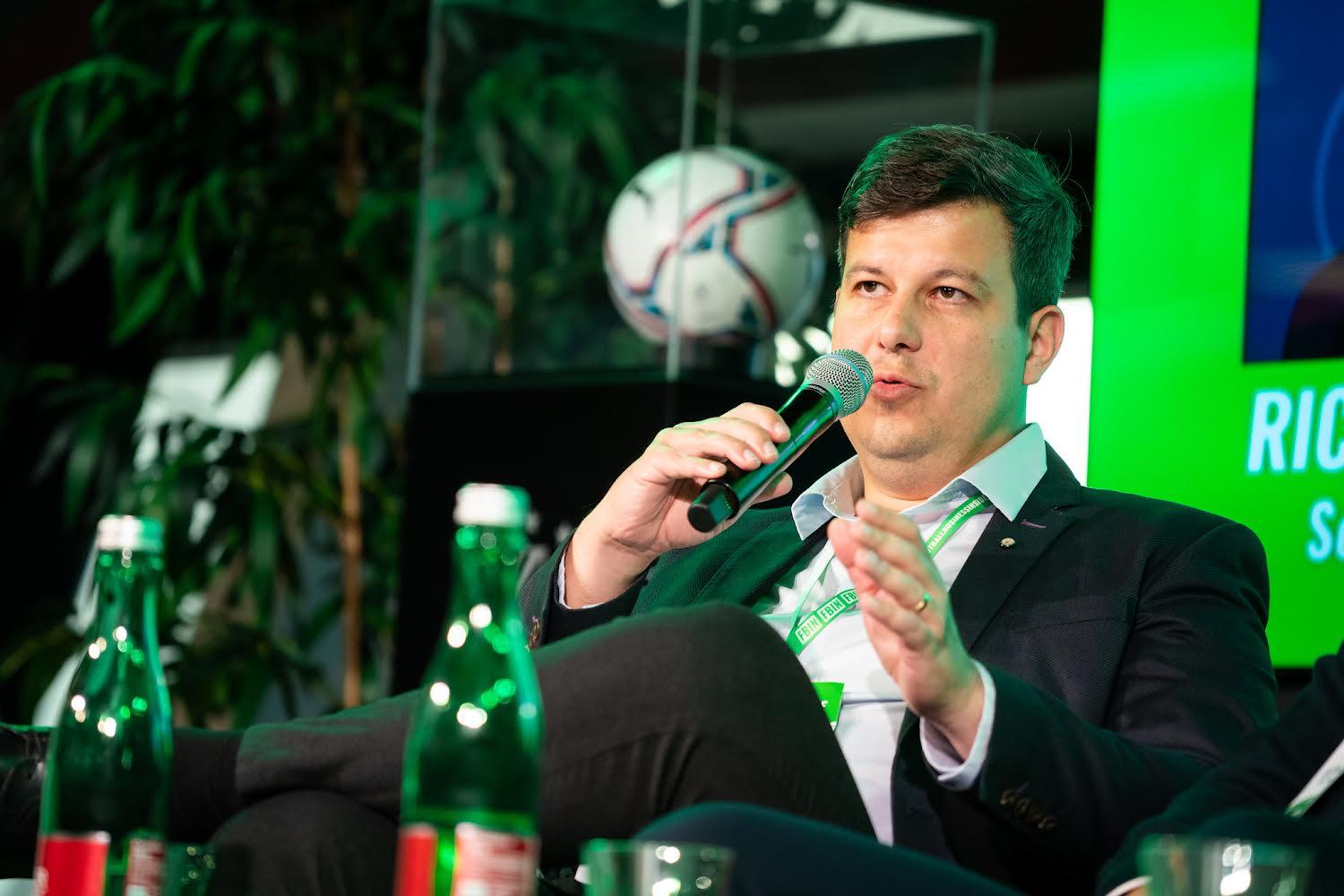
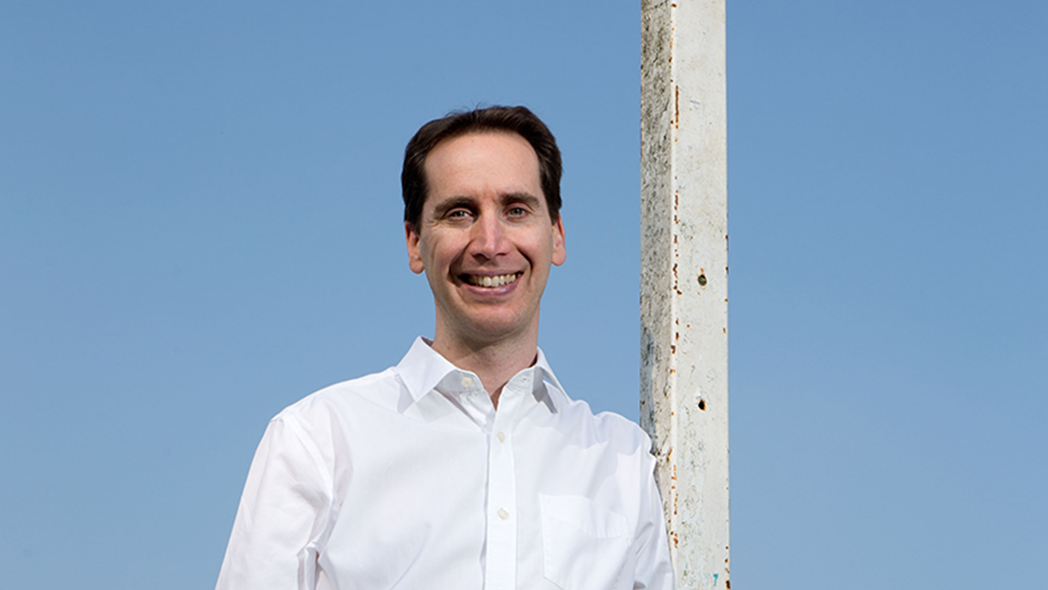
A qualified agent with over a decade of experience in global football, Gustavo Spanholi spoke to GIS in the latest edition of our Meet Your Lecturers series, where we provide insight into the stories behind our academics.
Course Leader of GIS’ Postgraduate Diploma in International Football Business at our Brussels campus, Gustavo started his eminent career as a copywriter in his homeland of Brazil. Realising he wanted to work in football, he then completed an MBA in Football Industries in 2012 before landing his first role as Marketing Manager at Figueirense Futebol Clube, a Brazilian Série A side at the time.
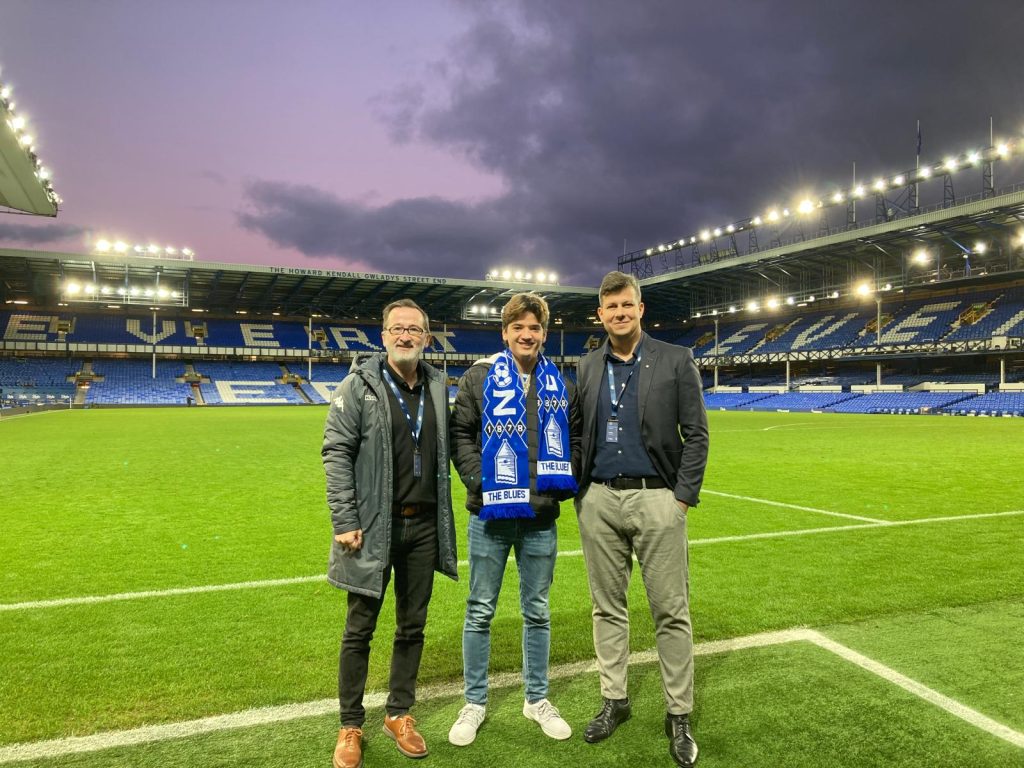
Relocating back to the UK, he has since worked for the FA and Everton in various commercial and partnerships roles. In 2024, Gustavo founded Global Player Solutions and obtained his football agent licences with FIFA and The FA.
Now, he works as Head of South America for Golden Gate Group, an international athlete agency, whilst teaching the next generation of sports professionals with GIS.
To begin, what inspired you to build a career in sport, and what are some standout moments so far?
So I used to work for the marketing/advertising agencies in the first part of my career, but at a certain point, as a big fan of football in Brazil, I noticed that this was taking so much of my time.
Pretty much like the students at GIS, I said I need to do something with it professionally.
Then, my time at The FA was really interesting.
I was lucky because my direct line manager is a reference in football diplomacy, and I learned a lot about the relationships between football, politics and international organisations.
I’m also really enjoying my current work because it feels like everything I did until now was a preparation for what I’m experiencing today.
Dealing with players is actually quite similar to dealing with students because you’re dealing with their dreams. You’re preparing them for a career and anticipating situations they will face.
It also allows you to speak to decision-makers—presidents, sporting directors and clubs around the world.
One day I’m watching a match at Anderlecht, another day I’m in Germany, then Brazil speaking on behalf of players. Earlier this year I went to Paraguay for the Under-17 South American Championship and met scouts from all over the world.
It’s a really happy moment because it feels like a consolidation of all my previous experiences.
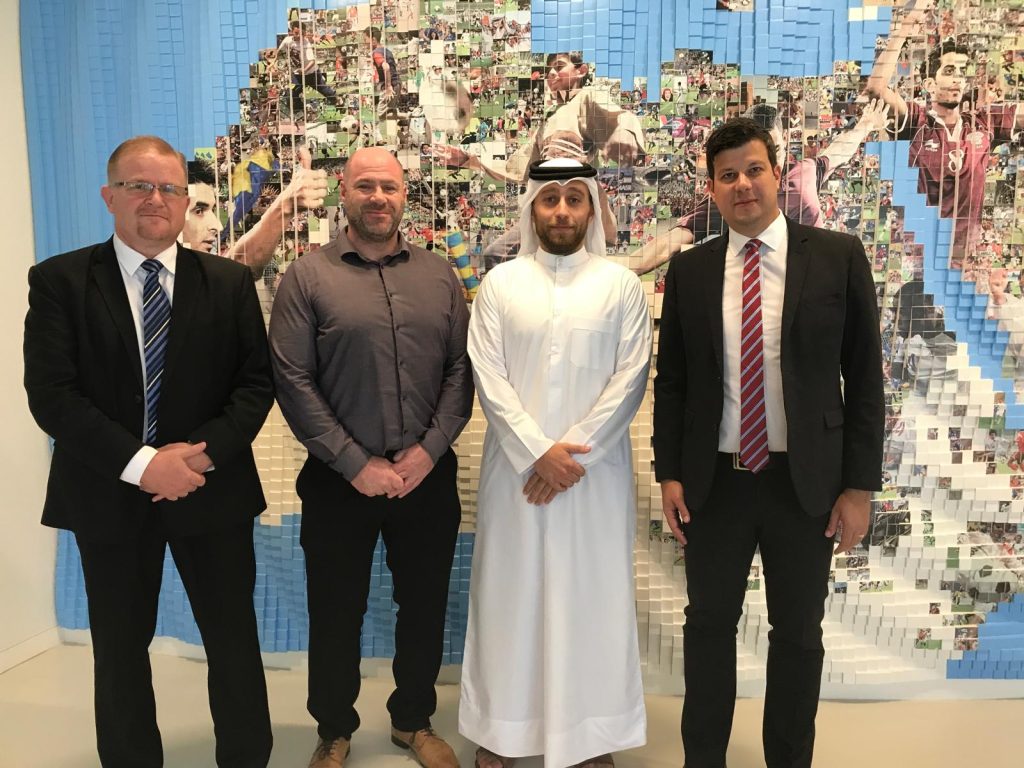
Supreme Committee – 2019
Considering your experience in the role, what should aspiring football agents know about the industry as they get started?
People naturally think they want to become an agent because they want to make substantial money, and that’s fine because those possibilities exist, the possibilities are there, and I think part of it is to follow where the money is in the game.
But the misconception is thinking it’s easy, that it doesn’t take time, or that you’re only going to work with top players.
There are many layers below elite football, and there’s a lot of work every single day.
In my case, I wake up working and I go to sleep working. You need to love what you’re doing because it’s a lot of work.
Sometimes you think you’ve finished your day, and then a message comes through about a player moving clubs and immediately you’re working again.
At the same time, I still think there are a lot of opportunities because there are many areas of the industry that haven’t been fully developed yet.
It’s very competitive and very tough, but there are definitely opportunities.
Students starting out as agents can either be independent or work for an agency. What advice would you give them?
It’s hard to be independent nowadays, so it’s recommended if you have leverage, like knowing someone influential in the game, your family has connections, or you have a network.
If you’re invited to be with an agency, I think you must use that because starting off is different to any other industry. Because of the sensitive nature of contracts, there is little public information about being an agent, so effectively you only learn by making mistakes, which are very important, and disappointment is just part of the process.
Alongside your work with Golden Gate Group, you lecture at GIS. What’s the best part?
I enjoy the discussions with students and speaking about football not only as fans, but connecting what everybody knows about football to theories, facts and real-life situations they’ll face in their careers.
One thing I love is taking situations I’ve experienced in professional environments and transforming them into case studies or role-playing exercises.
I like asking students, ‘What would you do in this case? Why?’
I feel that I’m useful for students and that they believe in me when I convey information and we debate together.
I always see myself as a connector, you know, because long gone are the days when you’re just standing in front of students and talking.
It’s about connecting them with information and using examples. You need to create techniques to make the conversation with them so they can connect the dots.
From the students’ perspectives then, what do they enjoy most about studying with you?
I notice they enjoy opportunities where they work with real scenarios.
Whether that’s guest speakers, club visits or analysing something that has genuinely happened in football, students really enjoy working with current industry examples.
If someone brings something fresh from their professional environment into the classroom, students love that.
At the same time, they also like certainty. They like academic rigour. They want to understand the theories connected to each lesson.
If you’re too academic, students want more guest speakers and industry experience. If you only bring practical examples, they feel they need more academic structure to organise their ideas and complete their assignments.
There needs to be a balance.
Finally, having worked across two continents yourself, what’s the value of international experience when it comes to a career in football?
It’s always valuable.
Football follows some common principles around the world, but every market has a different culture.
Europe is still the central market for football, so this is where many of the trends and best practices are developed.
It’s very important to experience a market like this or attend major sporting events because that’s where the best professionals are working and where you’ll learn the most.
Sport is a global industry.
Everywhere you go you’ll work with people from different countries and different backgrounds.
The biggest events are organised by international teams who move around the world, so there’s really no substitute for gaining international experience.
Article by Zakaria Anani


You may also be interested in

Latest news
December 9, 2024 |
The 10 best sports venues in the USA
Read Post
Latest news
August 13, 2026 |
Football Association CEO Mark Bullingham among sports industry guest speakers for students at GIS Welcome Week
Read Post
Guest Speakers
September 16, 2025 |
Premier League Star and Top Executives Join Our 2025–26 Speaker Line-Up
Read Post
Our Partners