

Meet Your Lecturers: Shana Doyle-Axcell Discusses Fan Engagement, Career Highlights and Industry Connections
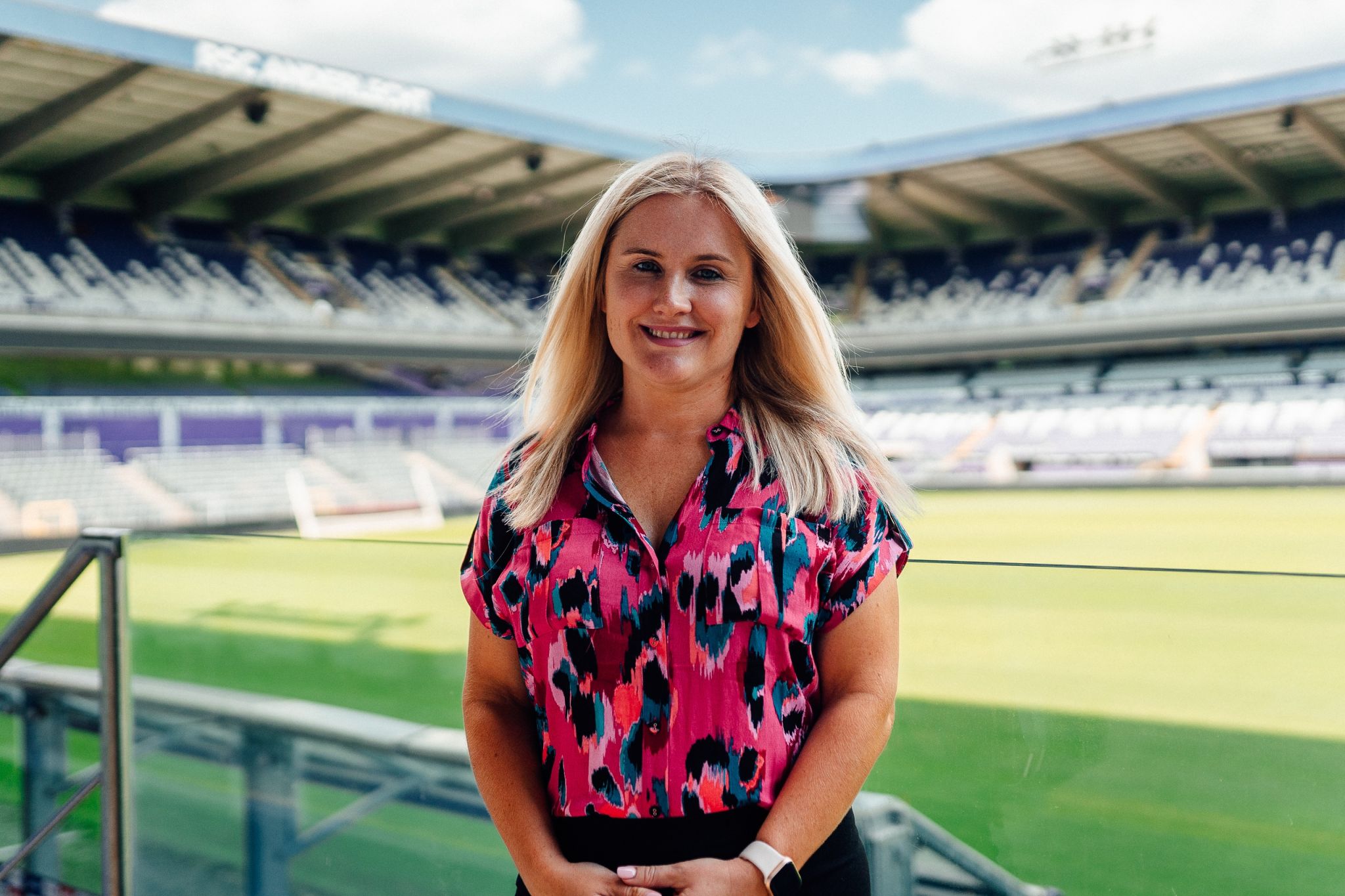
Deputy Dean of the Business School at GIS, Shana Doyle-Axcell has developed expertise in the sports industry stemming from an upbringing immersed in sport in South Africa.
Specialising in sports marketing, Shana became a lecturer at one of the country’s largest private universities at just 21 years of age and has since become an accomplished academic in the field, publishing one book and currently working on a second.
In this edition of GIS’ Meet Your Lecturers series, we speak to Shana about her current involvement in the industry, experiences consulting for well-known companies, and what makes marketing and fan engagement exciting.
Beginning with a little on your background, could you tell us about how you first got into sport?
From childhood my family were extremely active in the South African sports industry, both my brother and my father were professional rugby coaches and my brother went on to become a biokineticist and work in leading drug testing for sports in South Africa, so it’s always been in our family.
I used to teach general marketing and then I was approached to teach a provincial rugby team about sports marketing specifically. I then emigrated to the UK in 2017 as a sports marketing lecturer whilst still consulting in corporate marketing, including for Tesla and Top Gear.
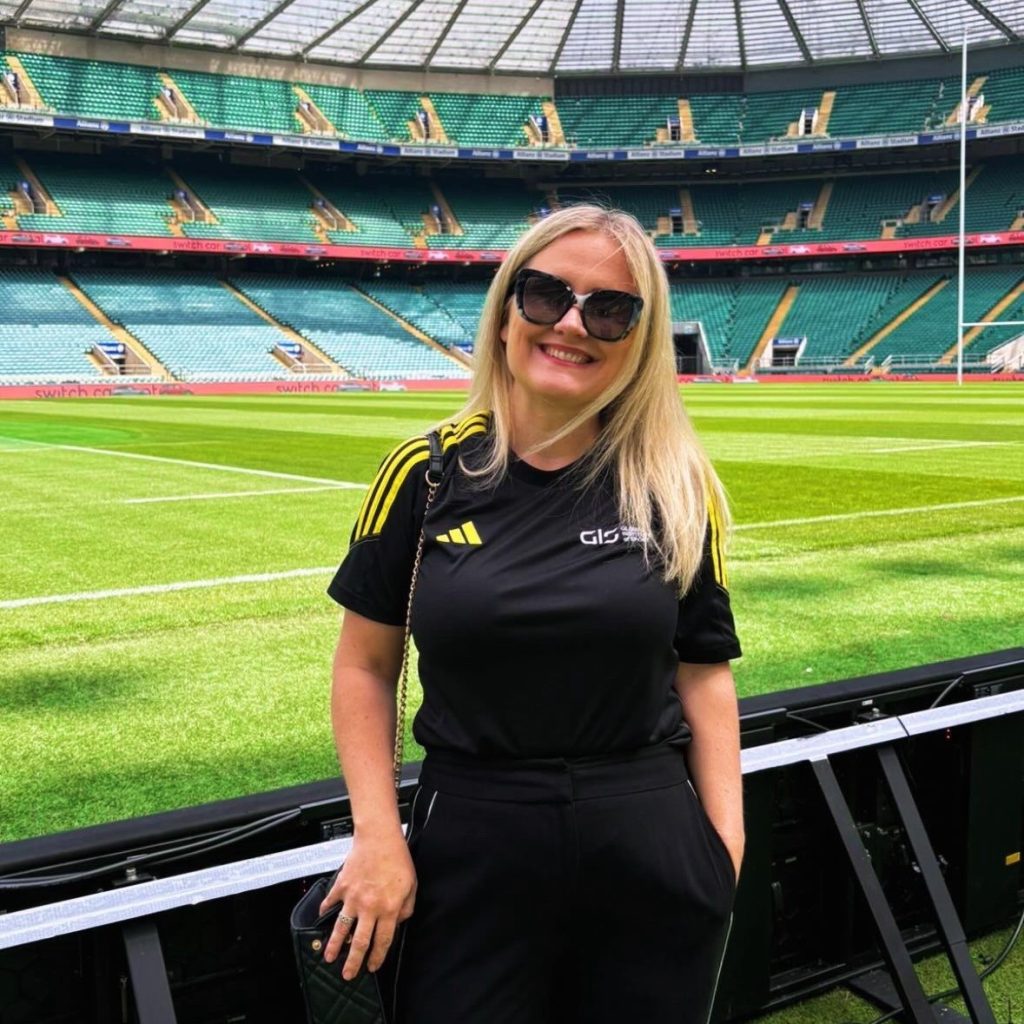
What impact would you say sports marketing has, and what excites you about it to this day?
I’ve loved marketing since I was a little girl because every single day is a different job or a different task, and specifically in sports marketing, the industry and fan engagement evolves season to season and sport to sport.
I think because it’s such a dynamic industry and changes so much, there’s new technology, social media trends and marketing tools all the time, as well as new types of fans you need to target.
It’s constantly evolving, which is what keeps the lecturing and the job quite exciting!
As such a dynamic industry, how does GIS prepare students for future careers in sport?
Why I’m so passionate about GIS is that we’re always so closely aligned with industry.
Even when developing our assignments, we often work alongside industry with real clients. I’ve previously had Chelsea Football Club on the fan engagement module where students develop a new fan engagement strategy for Chelsea.
They also did it for Inter Miami at our Miami campus last year, so what better opportunity than to do your assignments on an actual client?
I also think from a content perspective we have loads of guest speaker opportunities, and on top of that, when we’re developing our modules we consult with both academics and the industry to make sure our content is as relevant as possible.
Do you find it complex to balance academia and practice in a field like sports marketing or fan engagement?
No, personally I don’t, I think both can actually benefit from each other.
I recently wrote a LinkedIn article a few months ago on Arsenal FC where I applied the club’s social media strategy to a key academic journal article that discussed things like how frequently they should post, so I actually think that once the industry knows that there’s academic information out there, organisations actually take it seriously and it’s really valued.
Having the two connected to a case study in sports makes it so much more relevant and prepares our students a lot better if we can apply it to real life. I think that GIS is actually very well respected in setting up students so that it’s an easy transition from academia over to industry.
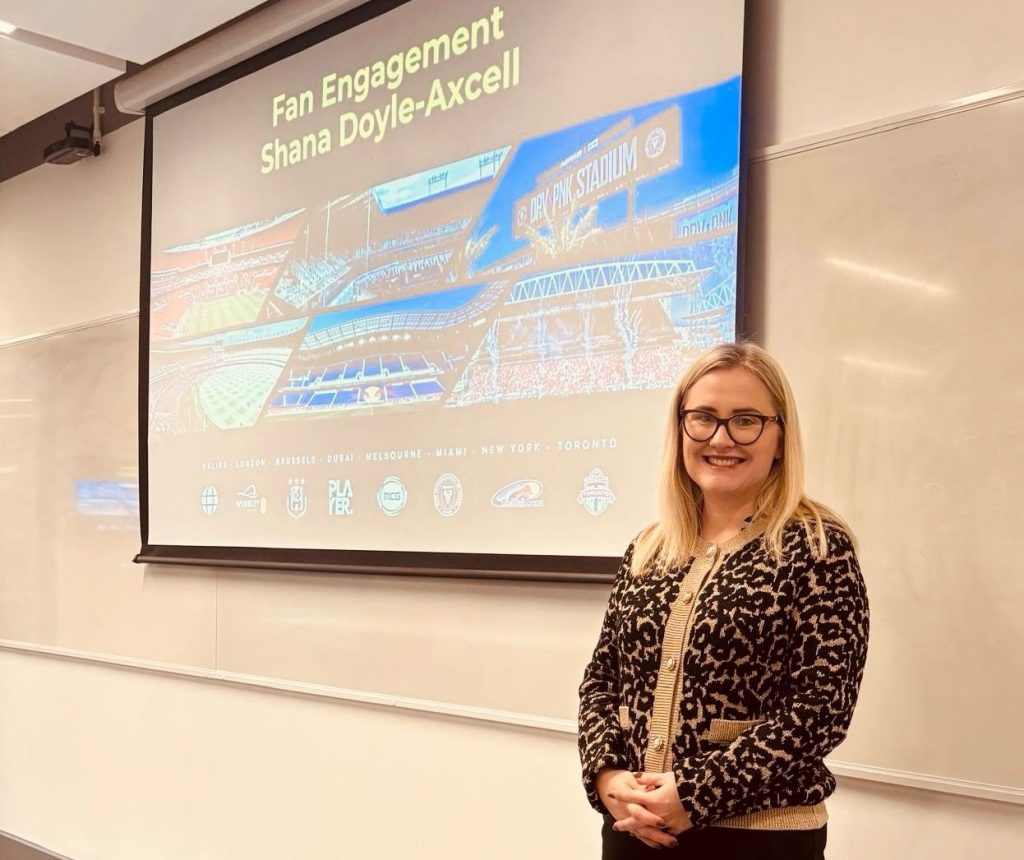
When it comes to the academic side then, how do you keep up to date with the latest industry developments?
So I attend quite a few different sports and teaching conferences, and then I’d also add the importance of networking.
I think it’s an amazing thing to do. You get to talk to people in the industry and hear about the most relevant things happening out there at the moment.
That includes staying in touch with peers at other institutions. For example, I guest lecture at quite a few different universities like Durham University, Royal Holloway, University of London, and I’ve just been made an external examiner for Leeds Beckett Carnegie Business School of Sports.
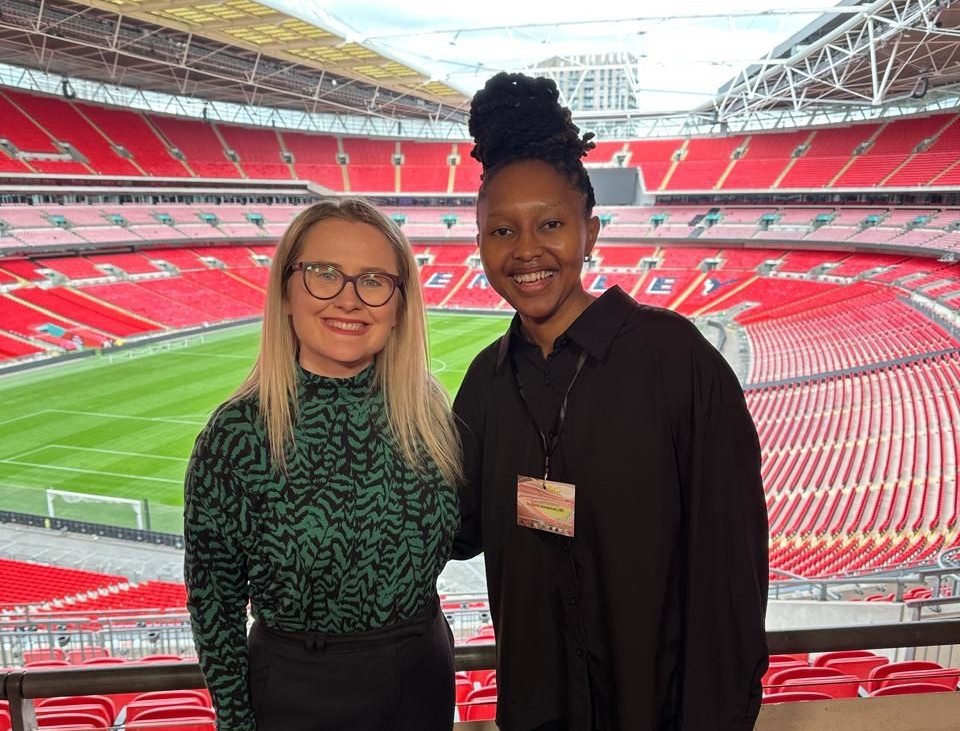
In a broader sense then, what do you love most about teaching?
Seeing my students succeed.
That’s the prize for me, seeing whatever I’ve taught them come to life.
I’ll give an example, one of my students who worked at Arsenal sent me an email about a year after he started there asking if I’d seen their latest fan engagement strategy they’d been doing on social media.
He then told me he based it on an assignment we had done together when he was at GIS, and for me that’s just the most amazing thing to see our students succeed and actually apply what they’ve learned.
Conversely then, what do the students enjoy most about GIS?
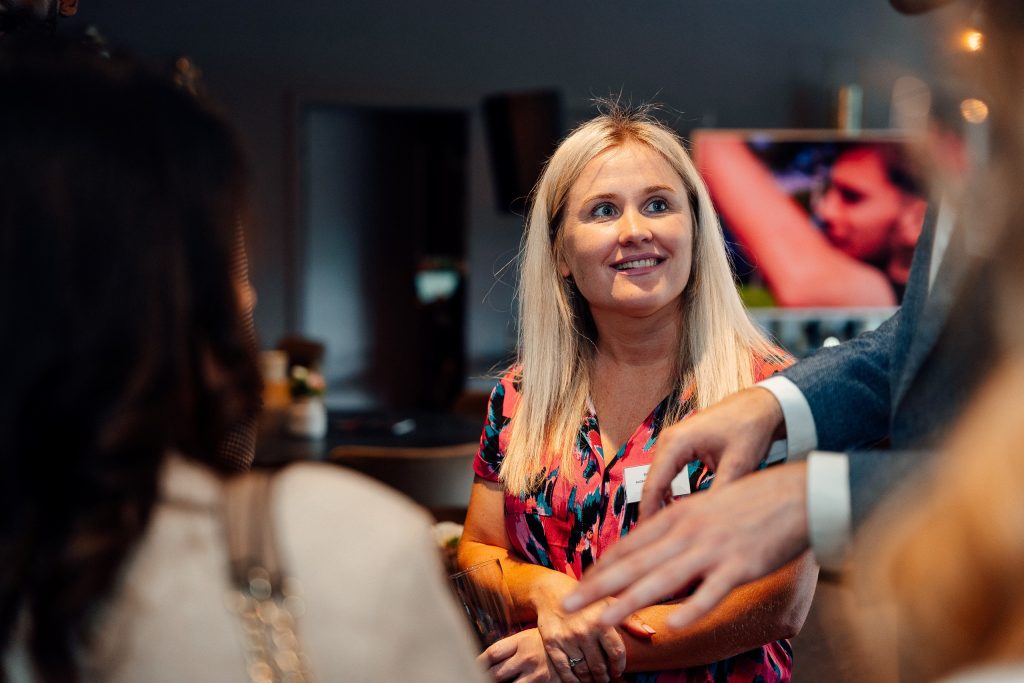
What I’ve picked up the most is the networking aspect, in that they get first-hand experience, whether it’s guest speakers, case studies or organised networking opportunities.
Is that what makes GIS different?
100%.
I think that’s our number one thing, being so closely aligned and connected with the industry is what students enjoy the most.
One last question then, what have been some highlights of your career?
There’s so many, but a cool one was presenting one of my research papers at the International Marketing Conference for the Academy of Marketing that I developed around social media marketing. That was quite a privilege.
Another was with GIS at the Miami campus where I taught during the day, did a guest speaker session with the head of fan engagement there, and then in the evening I was invited back to the box and had Lionel Messi stand like one metre from me!
Seeing fan engagement happening in front of my eyes was an unforgettable experience.
A last one I’d say that’s still coming up is that I’ve been asked to write a textbook for Routledge on fan engagement. There’s actually no textbook available that specifically focuses on fan engagement instead of general sports marketing, so hopefully it will be published by next year!
Article by Zakaria Anani


You may also be interested in
Latest news
October 7, 2025 |
Meet Your Future Lecturers: Connor McGillick, MSc Performance Analysis in Football
Read Post

Academics
July 15, 2026 |
Meet Your Lecturers: Jarno Stegeman on What It Takes to Deliver a Major Sporting Event
Read Post

Latest news
September 25, 2025 |
Behind the Scenes at Global Stadiums: What Careers Are Out There?
Read Post
Our Partners