

‘Bigger than a qualification’: GIS Lecturer Hannah Altman on Entrepreneurship, Academia, and Building the Future of Sports Education
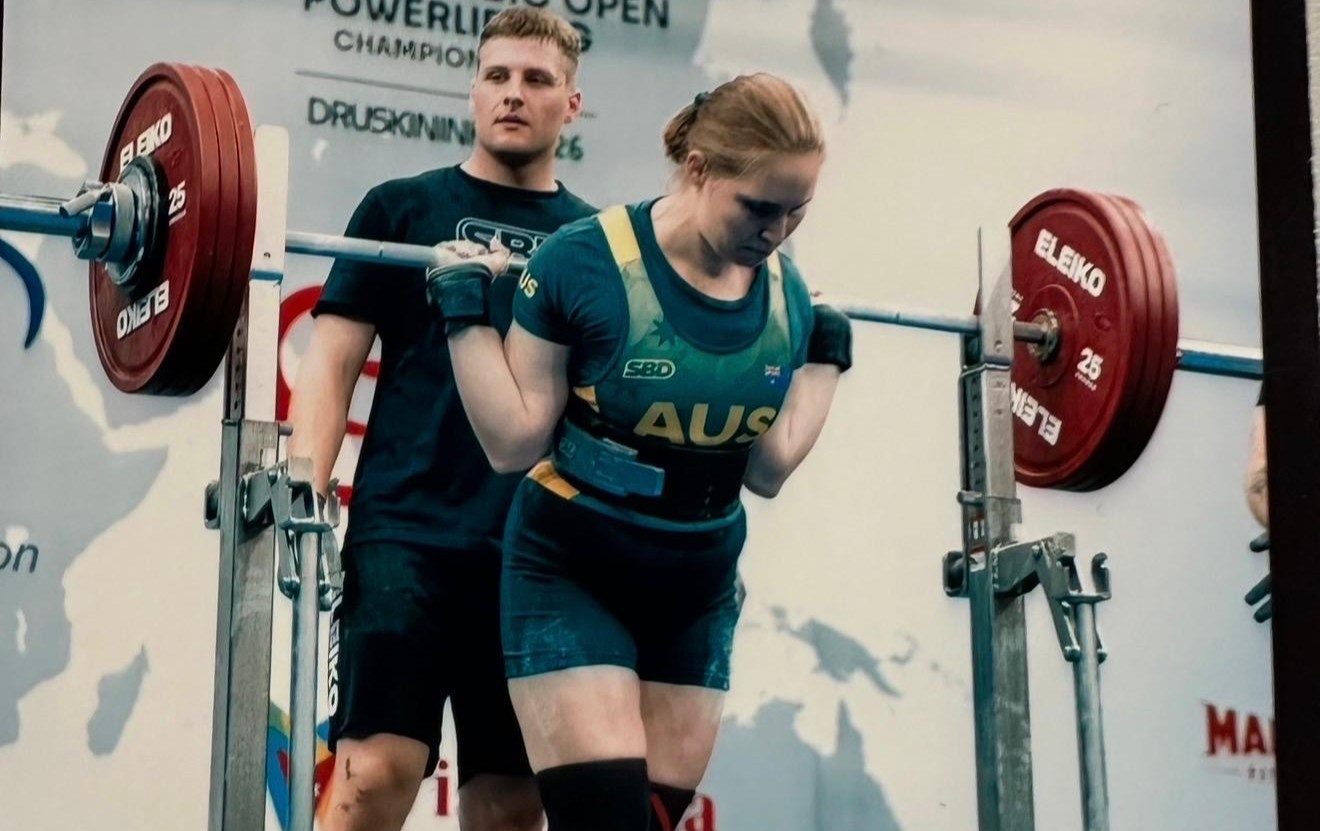
Athlete, coach, researcher, entrepreneur, and now Senior Lecturer.
In this edition of GIS’ Meet Your Lecturers, we introduce students to Hannah Altman, Senior Lecturer in International Sport Business and Sports Analytics at our Sydney campus.
“Sport has shaped almost every part of my life,” she told us, and this Q&A explores her career so far as a powerlifting record holder, the founder of the strength and rehabilitation app I-STAR, and a Senior Lecturer teaching the next generation of sports professionals at GIS.
To begin, can you tell us a bit about yourself and your journey before joining GIS?
I’m Hannah. I was born in Saskatoon, Canada, and spent most of my formative years in Wellington, New Zealand.
I later moved to Australia, and it has since become home and the country I’ve had the privilege of representing as an athlete. Originally, I dreamed of competing at the Olympics in kayaking, but a shoulder injury at 17 changed that path and sparked my interest in the wider systems behind sport.
At the time, there wasn’t a degree that combined sport, business and analytics in the way I was looking for, so I created my own pathway by studying Commerce and Health Sciences at the same time.
Alongside my studies, I coached swimming locally and internationally, worked as an exercise scientist and personal trainer, and later founded my coaching business, I-STAR. I then completed my Master’s and PhD in Sports and Health Economics and Econometrics at Queensland University of Technology.
Since then, I’ve worked across sport as an athlete, coach, practitioner, researcher, lecturer, educator and international referee. I’ve also had the opportunity to represent Australia in powerlifting and hold Australian and Commonwealth records.
That combination of experiences is what ultimately led me to GIS. I was drawn to its focus on connecting education, research and industry, and to the opportunity to help build the kind of multidisciplinary sport education I had been searching for earlier in my own journey.
What does your current role at GIS look like, and how have you enjoyed it?
My role at GIS is one of the most rewarding opportunities I’ve had in my career.
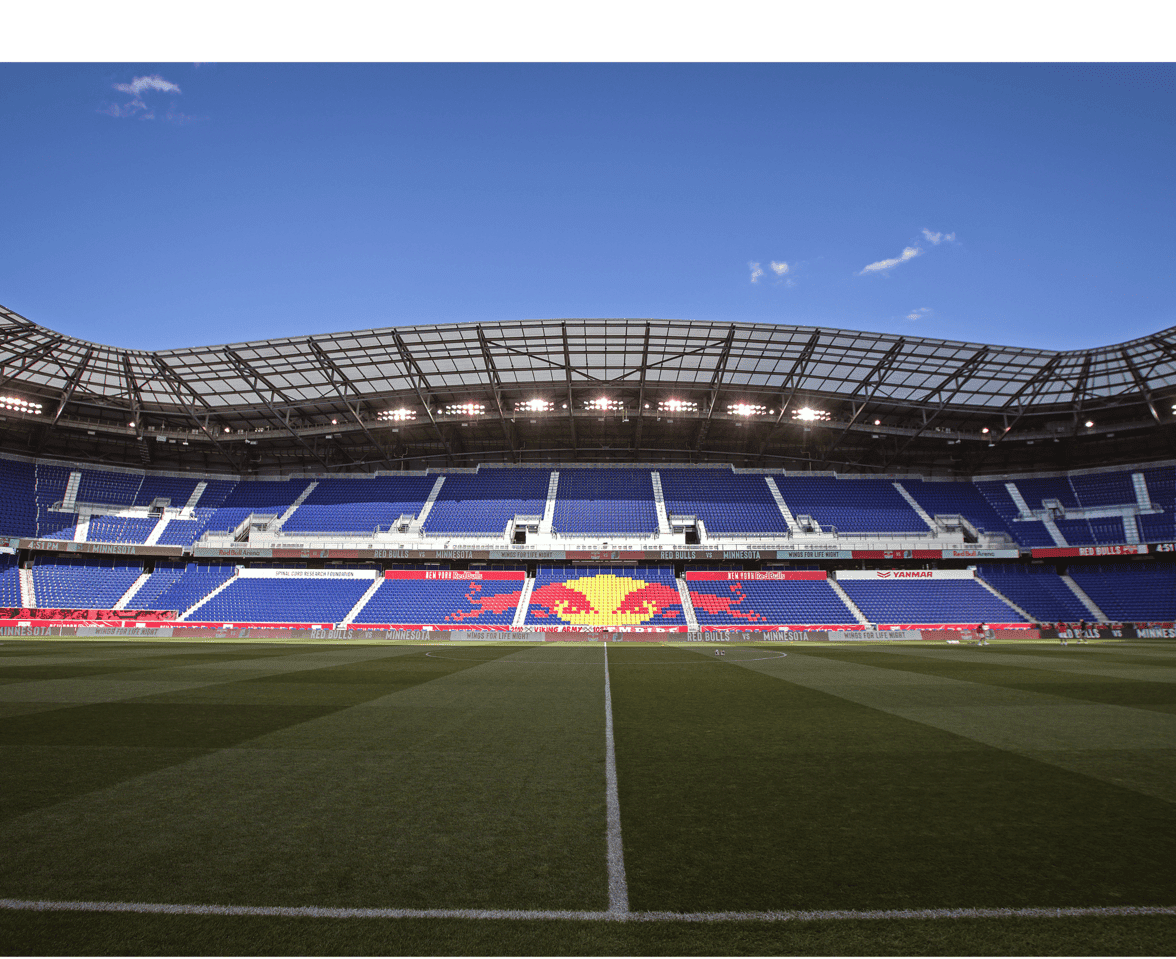
It’s an incredible environment because students aren’t learning about the sports industry from a distance, they’re studying within it. Being able to teach in a major sporting venue and connect classroom learning directly with industry is an experience very few universities can offer.
The programmes bring together business, analytics, technology, leadership and genuine industry engagement. Our goal is not simply to respond to changes in sport, but to prepare graduates who can help lead those changes. I genuinely believe we are creating something distinctive in Australia.
That work is especially meaningful because I believe education can transform people’s lives. Every student who joins us brings different experiences, ambitions and ideas, and they have the potential to become leaders, innovators and changemakers within sport. It’s a privilege to contribute to that journey.
Could you outline what your PhD entailed, what sparked your interest in it, and the impact you think the subject can have in sport?
At its core, sports and health economics is about understanding how people, organisations and governments make decisions, and how we can use evidence to make better ones. My research sits at the intersection of economics, behavioural science, data analytics and sport, exploring questions around participation, performance, wellbeing, integrity, governance and the ethical management of sport and fitness organisations.
I’m interested in how data and evidence can improve not only athlete outcomes, but also the way sporting organisations are led, resources are allocated and policies are developed.
My interest in the field really began while working as an exercise scientist and coach. I noticed that many decisions across sport were still being made because that’s how we’ve always done it, rather than because the evidence suggested it was the best approach. That sparked my curiosity about how we could better connect research with practice and ultimately improve decision-making across the industry.
For me, research has never been about publishing papers for the sake of it. It asks meaningful questions and produces knowledge that helps athletes perform better, organisations lead more effectively, strengthens integrity and governance, and ultimately contributes to a healthier, more sustainable and more innovative sport industry.
With experience as a coach and athlete in powerlifting, is the theory implemented enough in your view?
Not yet. We’ve made enormous progress over the past decade, but I still think there’s a significant gap between what the research tells us and what is consistently implemented in practice.
Having worked as an exercise scientist, coach, business owner and now competing internationally in powerlifting, I’ve experienced how valuable evidence-based practice can be, but I’ve also seen how much practical experience and context matter.
The best decisions rarely come from research alone or experience alone, they come from combining the two.
Conversely, how useful is your practical experience to your current role as a lecturer in International Sport Business and Sports Analytics?
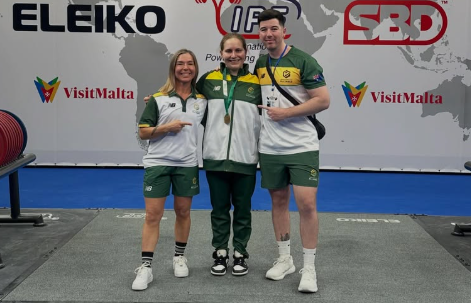
It’s invaluable.
One of the things I enjoy most about teaching is helping students connect theory with the realities of the sports industry. Whatever we’re discussing, I can draw on experiences from coaching, running a business, managing facilities, competing internationally, officiating at world championships and working directly with athletes and sporting organisations.
I also think it’s important that educators remain connected to industry. Continuing to coach, officiate, consult and conduct research helps ensure the examples I bring into the classroom are current, the challenges we discuss are real and the skills we’re developing are the ones graduates will genuinely need throughout their careers.
As for I-STAR, could you tell us a little about the company and how it began?
I was completing my postgraduate studies and needed a way to support myself financially while funding conference travel, conducting research and building an academic career. Sessional teaching wasn’t guaranteed, research assistant positions were often voluntary, and I still wanted the flexibility to coach because sport and fitness had always been my passion. Starting I-STAR gave me the opportunity to do all of that.
It’s easy to think of work as simply a way to earn a living, but when you’re fortunate enough to build a career around something you’re genuinely passionate about, work becomes energising. Of course there are long days and moments when I’m exhausted, but I’m always grateful that I get to spend my time doing something I care deeply about. Not many people can say that.
Looking back, I’m incredibly grateful I took that first step.
Finally, how have you found the experience of creating and delivering a postgraduate programme from scratch?
It’s been, without doubt, one of the most challenging yet rewarding experiences of my career.
Rather than asking how to improve an existing subject, you get to ask what graduates will actually need, not only today, but five or ten years into their careers, and then build a curriculum around that vision.
The sports industry is evolving incredibly quickly. Technology, analytics, artificial intelligence and globalisation are transforming the way organisations operate, so our responsibility is to prepare students not just for the industry as it exists today, but for where it’s heading.
That means designing learning experiences that develop critical thinking, adaptability, ethical leadership and produce the confidence to navigate an industry that will continue to change throughout their careers.
For me, education has always been about creating opportunities for others. What I love about GIS is that our values genuinely align with that philosophy.
Article by Zakaria Anani


You may also be interested in

Alumni
December 5, 2025 |
Reigniting a Love for Learning: Carena Guthrie on her GIS Journey
Read Post
Latest news
October 21, 2025 |
The Size of US Sport: A $1+ Trillion Industry
Read Post

Latest news
July 7, 2025 |
The Premier League’s Financial Rules: PSR and Financial Fair Play Explained
Read Post
Our Partners