

Common Job Application Mistakes in Sport, and How to Stand Out
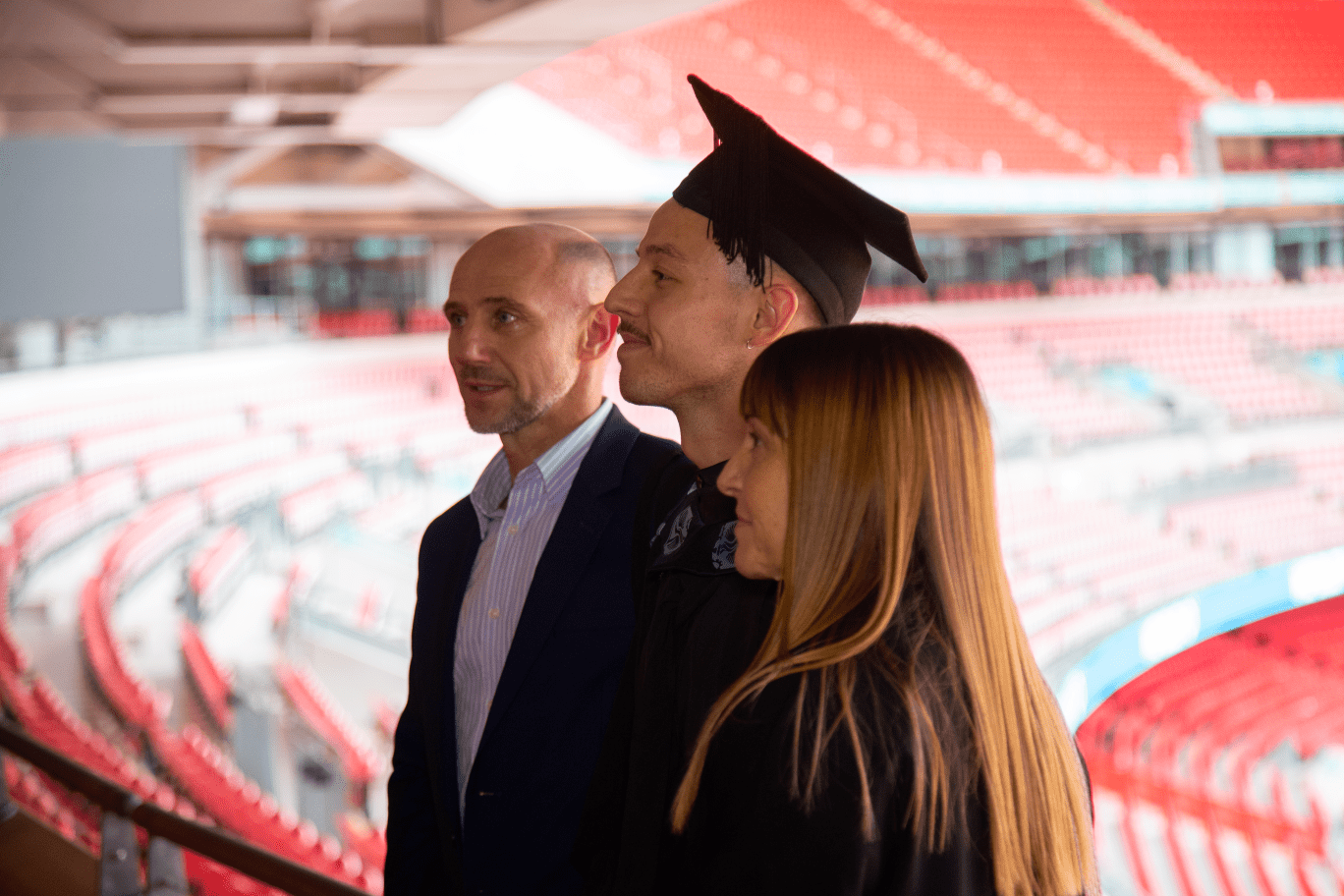
According to LSE, there are an average of 140 applications per graduate vacancy in the UK.
This level of competition can make the application process frustrating, so to help aspiring sports professionals stand out, this article outlines some key advice, along with common mistakes to avoid, when applying for your first role.
Though it sounds easier said than done, resilience is key. Often, students who don’t land a job, or even hear back from their application, can feel disheartened.
“The hiring process can be frustrating and sometimes demotivating,” said Pierce Hill-Worrall, a GIS graduate currently working as part of Everton FC’s sales team. “You have to keep trying and be persistent. Most importantly, back yourself.”
Actively seeking out how to improve is a significant part of the process, and to do so, it’s always useful to contact the employer for feedback if your application is unsuccessful. Particularly if you reached the interview stage, employers should be open to discussing how you came across, a great way of refining your interview technique and what you should fix.
Pierce did exactly that, saying: “For me, persistence was key. I kept my options open and for every interview knockback I took on the feedback and tried to implement it into the next one.”
Another way to improve your chances when applying is through internships. Not only do they provide the skills needed in future roles, employers hire students who have completed internships or placements at the organisation beforehand around 54% of the time. Students can use this to their advantage by securing relevant work experience early, giving the employer an easy choice to make.
If you haven’t worked for the organisation you’re applying for, however, the key to being noticed is the quality of your application.
In the sports industry, it’s extremely common that students send out dozens of generic applications, often AI-generated, in the hope that quantity beats quality. Employers notice this lack of effort, and in reality, it makes it far less likely for the application to progress.
Instead, students should tailor each application to the organisation they apply to. Not only does this increase the chances of being noticed, but it demonstrates attention to detail and the ability to put effort into quality work.
Tom Rowell, Chief Marketing and Communications Officer at World Snooker Tour, spoke to GIS about this, and explained its importance:
“You can’t be passive in this industry, you have to ask questions…Practice interviews and do research about the business you’re interviewing for. So many times I’ve done interviews for executives and they’ve made no effort on the most basic things.”
Tailoring your application to the employer takes extra time, but the effort goes a long way. Students should focus on aligning their experience with the job description, and use your cover letter to clearly demonstrate how your skillset meets the employer’s needs.
In what is a competitive industry, these details can make a significant difference. To learn more, read Tom Rowell’s advice on nailing a job interview, or take a look at some top tips from GIS graduates working in the industry.
Article by Zakaria Anani


You may also be interested in

Student Profiles
August 27, 2026 |
Why Study with GIS? Hear From Students Who’ve Been There
Read Post

Latest news
August 28, 2026 |
Global Institute of Sport Partners with Impact Soccer to Bring AI & Computer Vision-Driven Analytics into the Classroom
Read Post

Alumni
March 11, 2025 |
What sets GIS apart: Sumer Rajora Student Profile
Read Post
Our Partners