
GIS Academics Publish New Research on CONCACAF Gold Cup Performance
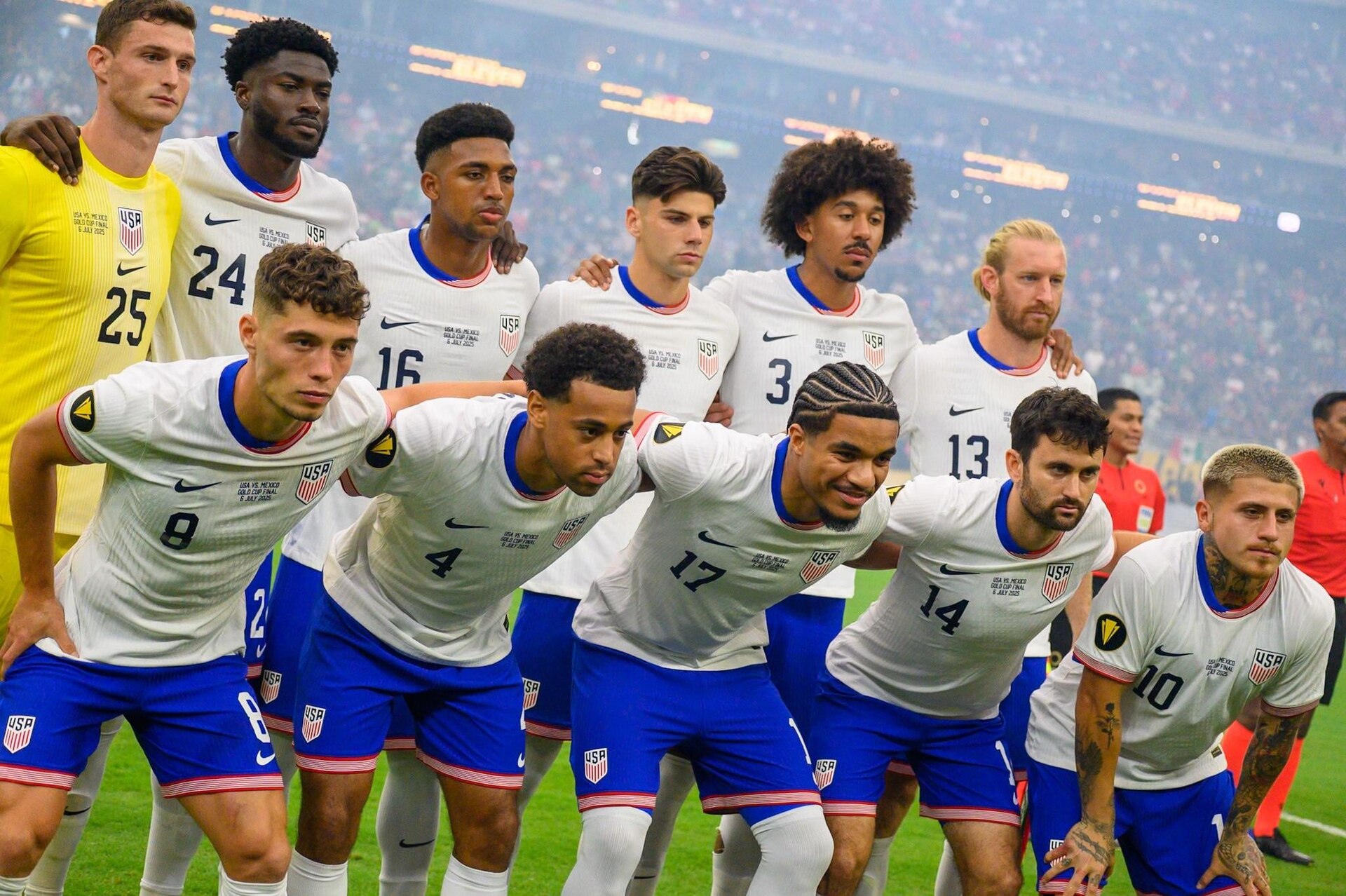
“USMNT lineup, 2025 CONCACAF Gold Cup final” by u/reepers_hellcat, licensed under Creative Commons Attribution 4.0 International (CC BY 4.0), https://creativecommons.org/licenses/by/4.0/; image from Wikimedia Commons.
Global Institute of Sport is proud to share new research conducted by a number of our academics that has been published in the Journal of Sports Research.
Titled ‘Performance differences between winning and losing teams in the CONCACAF gold cup
(2017–2025)’, the study identified factors that influence performance in the Gold Cup, and was conducted by:
– Connor McGillick, Course Leader for MSc Performance Analysis in Football
– Dr Mike Walsh, Provost at Global Institute of Sport
– Jason Roberts, Chief Football Development Officer at CONCACAF, GIS Advisory Board Member
– Jonathan Martinez, Director of Football Development and Club Licensing at CONCACAF, GIS Advisory Board Member
Published on the 24th of June, the research found that successful teams consistently performed better across key performance indicators such as expected goals (xG), penalty-box entries, and high recoveries.
It also concluded that knockout matches were decided by greater efficiency in key moments, as part of the first longitudinal, phase-based analysis of performance indicators within the tournament.
Speaking to GIS, Mike emphasised the study as a demonstration of GIS’ commitment to producing applied, industry-focused research that “directly supports professional football practice.”
“By analysing performance differences,” he said, “the study addresses a significant gap in the football performance analysis literature in the region and provides region-specific evidence that can be embedded within GIS undergraduate and postgraduate teaching.”
Mike continued to explain the key strengths of the study, discussing GIS’ close relationship with Mount Pleasant Football Academy. A Jamaican Premier League side, GIS students have the opportunity to gain experience in a professional football environment with the club from both a coaching and media perspective through placements, research projects and coaching education.
“This collaboration enables students to apply analytical techniques in real-world settings and provides Mount Pleasant with evidence-based insights that support coaching, player development, and strategic decision-making,” Michael explained.
“The findings from this study will therefore have direct practical value for Mount Pleasant, other CONCACAF clubs and national associations, demonstrating how collaborative research between academia and professional football can drive innovation, improve performance, and advance the development of football across the region.”
As part of the GIS team delivering the Live Labs in Jamaica, Connor brings extensive experience in performance analysis, having previously worked with Coventry City FC and British Swimming. This experience in performance analysis combines with his academic interests, contributing to the study.
“Despite being one of the six FIFA confederations,” Connor said, “CONCACAF has received relatively little attention within the performance analysis literature.
“The findings offer practical insights for national federations, coaches, performance analysts and other practitioners seeking to better understand the performance characteristics associated with success in elite international football.”
A sign of GIS’ dedication to the development of the sports industry, the study demonstrates how collaborative research between academia and professional football can drive innovation, improve performance, and advance the development of football across the region.
To access the research, click here.
Article by Zakaria Anani


You may also be interested in
Latest news
October 21, 2026 |
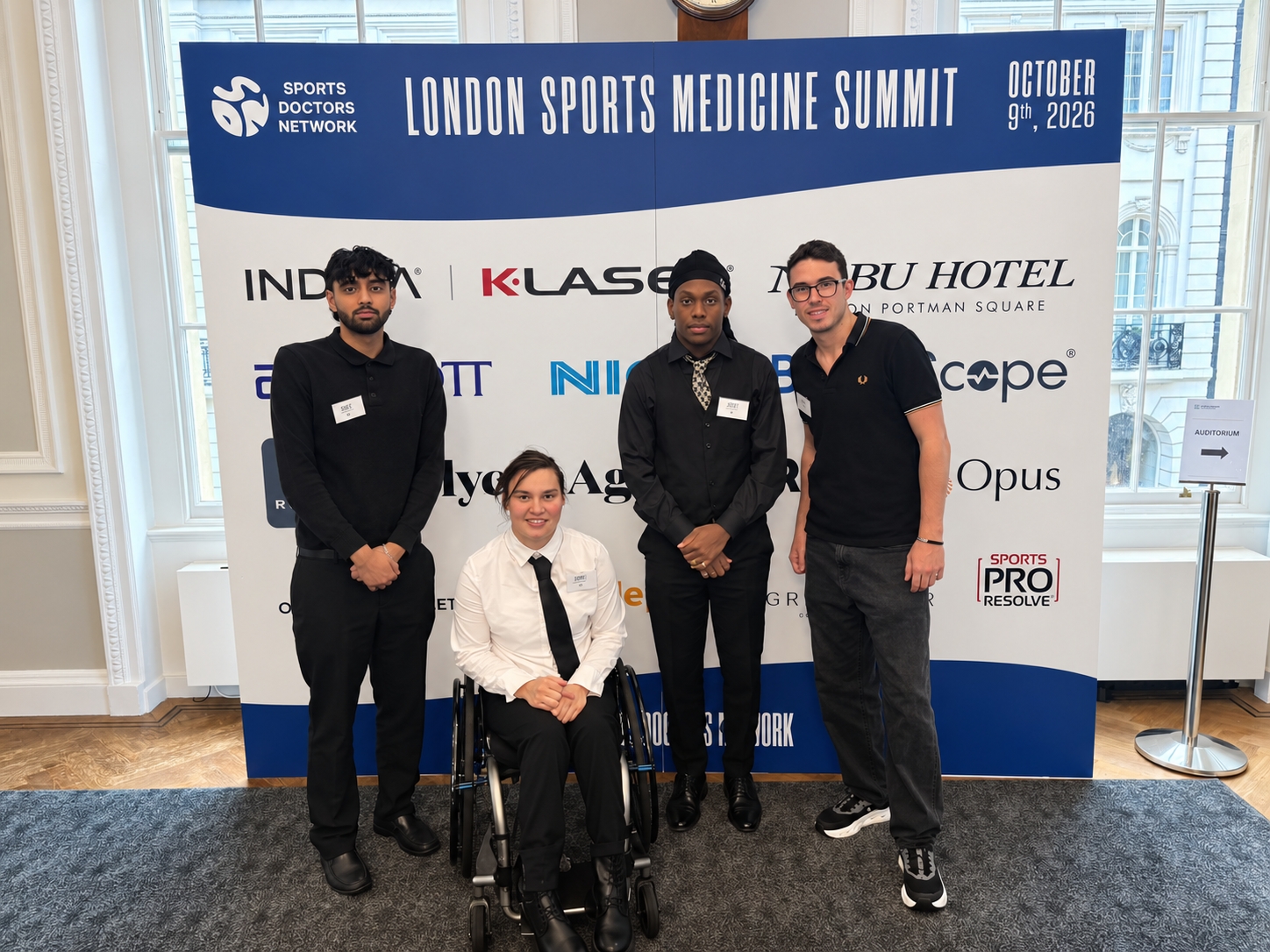
GIS Students Get Up Close with the Leaders Shaping Sports Medicine
Read Post
Latest news
August 20, 2026 |
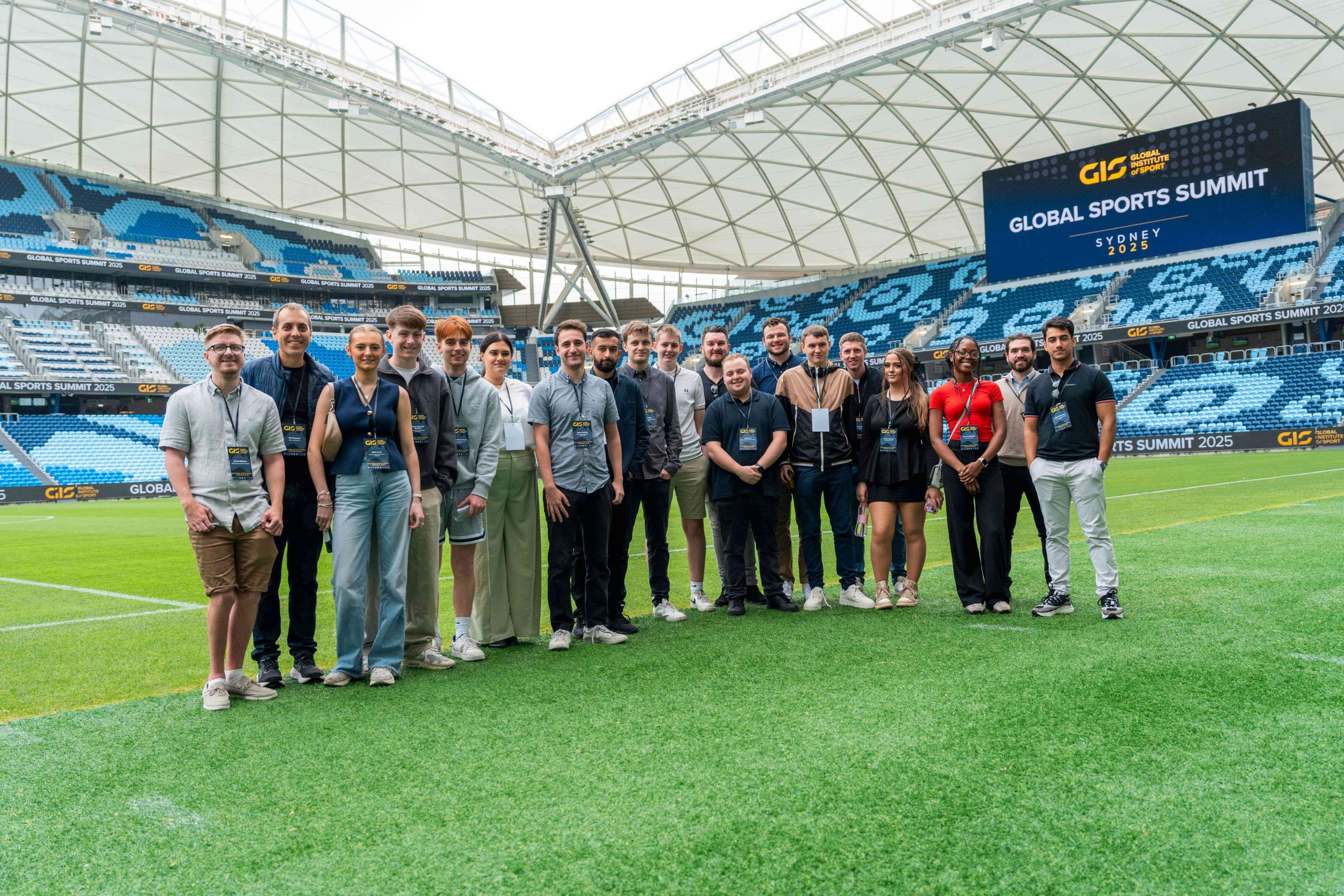
GIS Sports Summits 2027 Schedule Announcement: What to Expect and What’s New?
Read Post
Latest news
September 14, 2026 |
Paid Soccer Internships in the USA: Work in the Game While You Study
Read Post
Our Partners