

GIS Director Barry MacLean on Life as a Sports Agent, Owning a Club, and What Sets GIS Apart
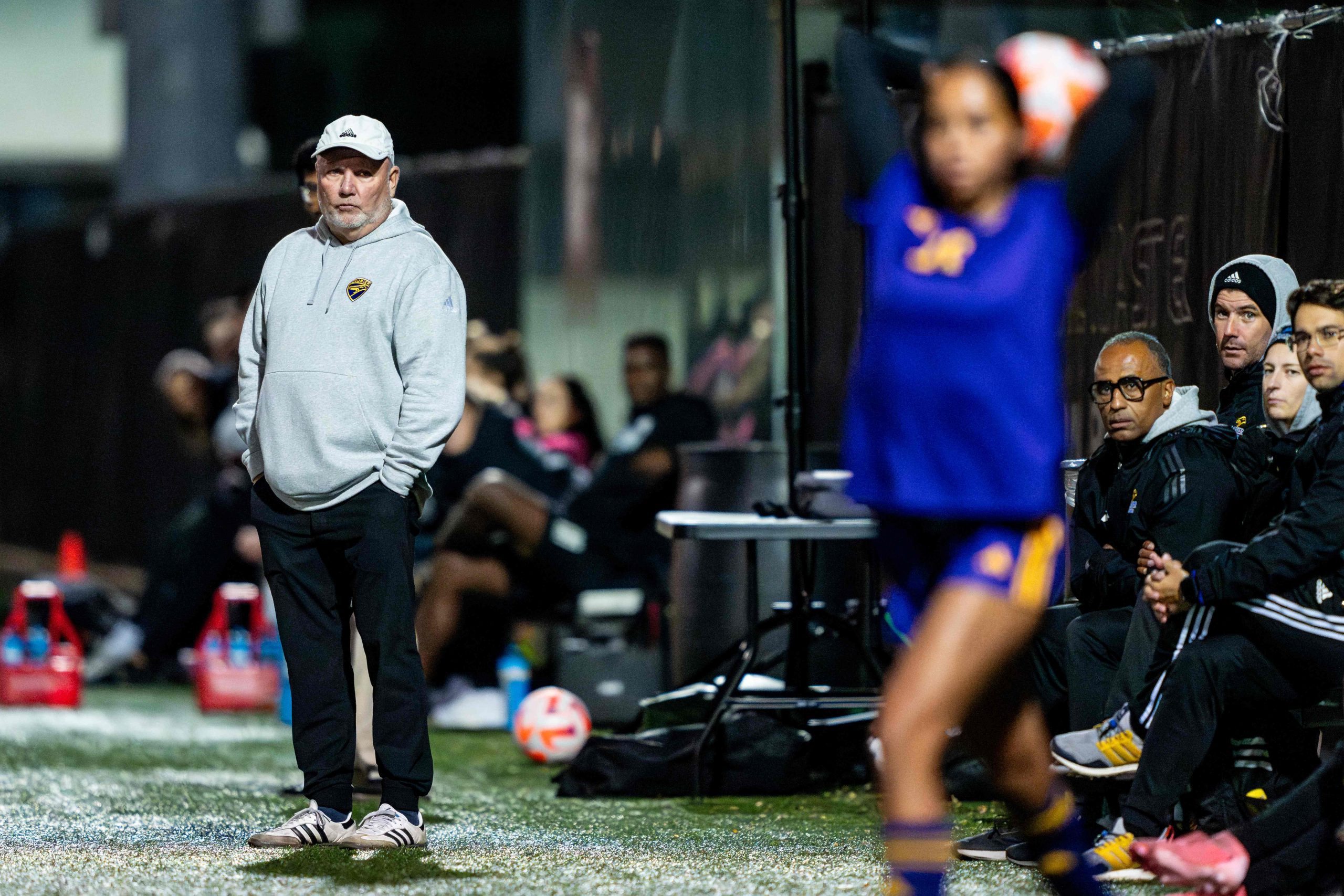
With experience as a player, coach, agent, club owner, and CEO, GIS Director Barry MacLean has experienced football from many angles.
In this Q&A, Barry discusses his career journey, leadership lessons and his view on how GIS prepares students for the sports industry.
You’ve worked across the sports industry in a variety of leadership roles. Could you tell us a little about your career?
It’s been an interesting one.
I was a footballer in the NCAA in the USA for a couple of years, and an all-Canadian university player.
Then I went into the workforce and knew that I needed to be involved in sport at a time when there was probably no real career path.
I started coaching at the provincial level, which led me to coaching with the national U20 team and then in a professional league here in Canada that produced a lot of players who ended up in Europe.
While I was doing that, a lot of people were asking me for help getting them a scholarship or into a club in Europe, and it just morphed into starting the agency business.
As an agent, I started as a lone wolf, made some contacts with a few other people doing the same. We created a little entity and that grew into something quite formidable. We weren’t backed by a lot of money, but we were challenging the big players in the North American agency world.
I was leading that team as the CEO, which led to us joining forces with Beswicks Sports in England, where I ran the North American operations.
That’s how I connected to GIS. I had been in Sharona [Friedman’s] ear from the beginning saying we needed to be in Canada. That took years of work to get over the line, and now that’s a functioning network that is going to produce its first MBA cohort this fall at BMO Field in Toronto.
I’m also the Chief Sports Strategist and founder of a tech start-up built around predictive recruitment called Best Athletes, and I’ve done consulting for various leagues, clubs and associations along the way.
Through that whole period of time, I’ve still been a college coach. I’ve been coaching at Wilfrid Laurier University for 30 years, we’ve won four national championships and produced a number of players that have gone on to play for the Canadian national teams.
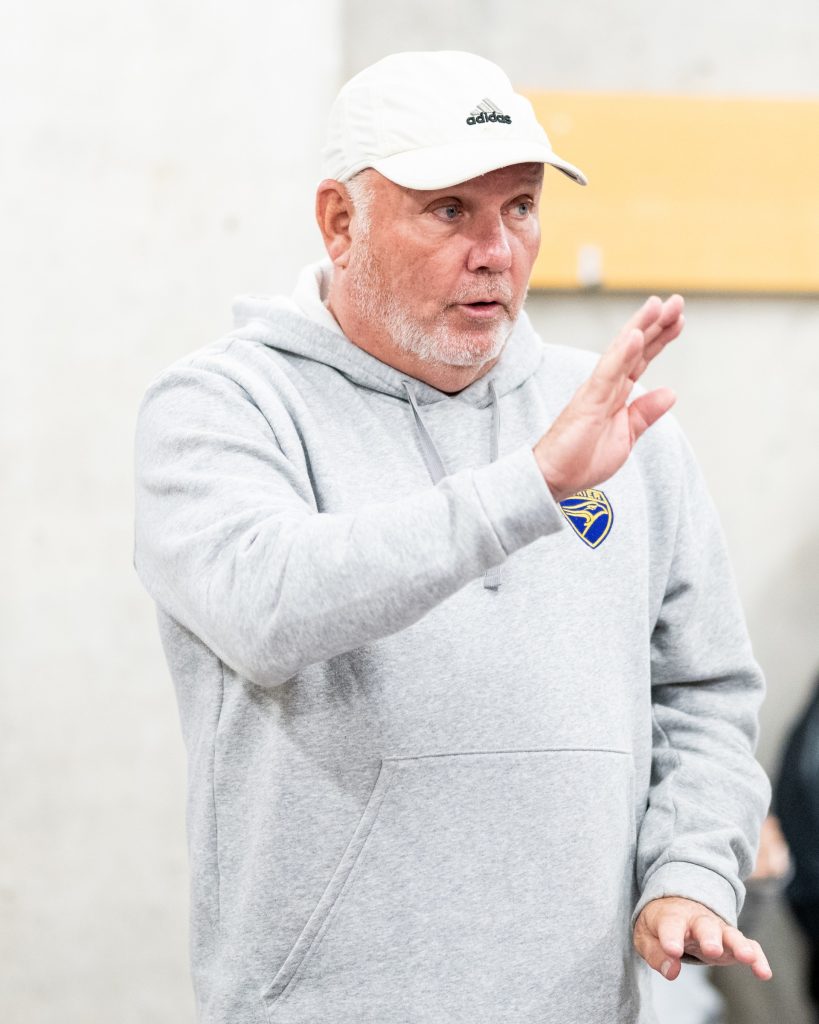
You mention starting as a lone wolf compared to joining an agency. Is that something you’d advise aspiring sports agents to do?
I think both of them are viable pathways.
Going into an agency, it’s very difficult to move through, and you’ll probably be pushed towards dealing with smaller problems and smaller players.
If you come in as a lone wolf, you have the ability to go after players, but it’s very difficult if you don’t have the support network around you that can deal with commercial opportunities, legal matters, and all of the other things that go into the agent world.
I think both are viable. The lone wolf is not for the faint of heart. You eat what you kill in that environment, but it is a way to build your own agency and potentially grow it into something much bigger.
Do you think people have misconceptions about the role of sports agents?
Yeah, I think there’s a very negative view of what the agent does.
The reality about the agency world is that agents wouldn’t exist if owners and clubs treated players fairly.
Players were underpaid, they were undervalued, they were treated poorly, and over time, the agent has been the advocate for the player.
That often goes against the grain of what a manager would like or what the club would like, so they’re the easy scapegoat, but the reality is that what an agent is advocating, the player is mostly supportive of.
You’ve founded and owned two football clubs. What was the biggest lesson you learned?
A club will never be successful if it’s not fully integrated with the community.
You need community support and engagement. The town, the people and the infrastructure all need to be tied to what you’re building.
We had that in both of our communities. With KW United, we won the PDL Championship, beating four MLS teams along the way as a tiny little team. At Peoria City, in our second year, we reached the PDL Championship Final.
Community engagement is critical.
You’ve worked across multiple leadership roles. From your experience, what makes GIS stand out?
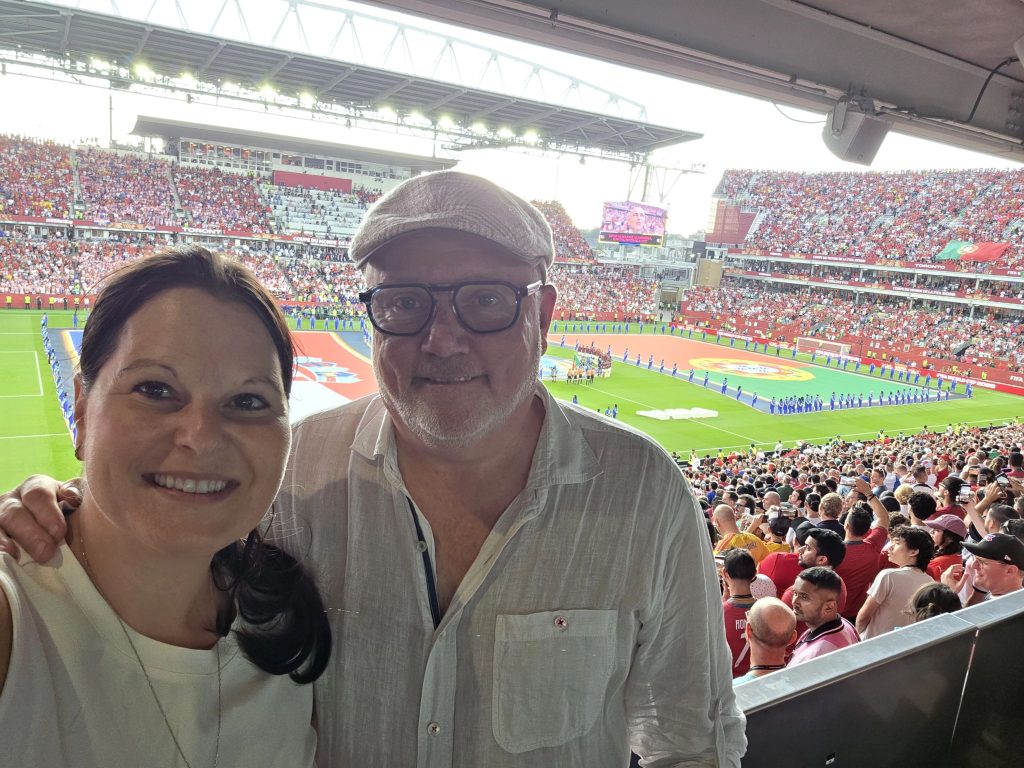
There are very few operations anywhere in the world preparing students to get into the business of sport, and the industry is growing at an exceptional rate.
First of all, it provides an understanding of what the industry is like. A lot of people think sport is just another industry, but it’s unlike anything else that I’ve dealt with.
There’s no other industry where all of your results are printed in the paper every week. There’s criticism and commentary on every decision that you make.
There aren’t enough qualified people entering the industry who understand both the business side and how it integrates with the sporting side.
I’d also say the network of people that you get plugged into for real career opportunities is unbelievable, and the experiential piece of being immersed in an iconic sports stadium is unique.
You get to see everything from turf management and catering to ticketing, marketing and first-team operations. You see how all these different areas of the business work together.
In my experience, I haven’t seen anywhere else like GIS, where you’re earning your degree while being based inside iconic sporting arenas and gaining those experiences firsthand.
Finally, what value does a postgraduate qualification from GIS provide to those looking to build a career in the sports industry?
I think if you want to be in the world of sport, it’s about having some sort of designation that lets an employer know that you understand the industry.
As I said, everybody believes they know everything about sport, so students truly having some background in what they’re going to go into makes a difference.
The fact that you’re immersed in it day to day gives a level of comfort to an employer for sure.
Article by Zakaria Anani


You may also be interested in
Alumni
Latest news
July 9, 2026 |
GIS Students at the World Cup: Tobias van Deijck Part of Team that Hosts England Squad
Read Post
Latest news
August 13, 2026 |
Clearing is Now Open at GIS: Secure Your Place
Read Post

Organisation News
September 16, 2025 |
Global Institute of Sport Ranked #1 for Career Advancement in 2025 SportBusiness Rankings
Read Post
Our Partners