
How Brands Use the World Cup to Grow

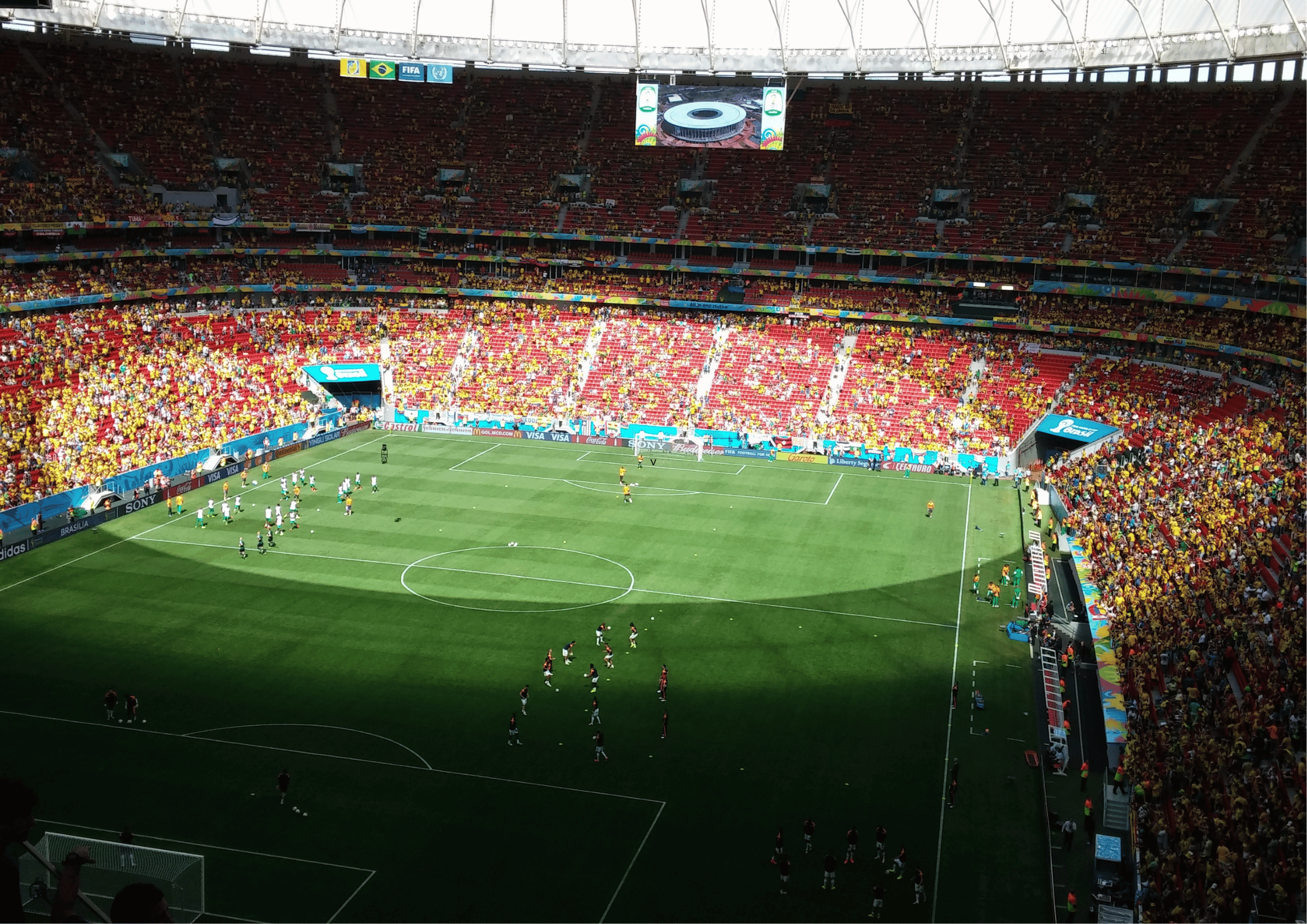
Predicted to attract 7 million live spectators and a further 6 billion watching on TV, the FIFA World Cup is unsurprisingly one of the biggest commercial phenomena on the planet.
A platform to showcase a brand’s values and products to the world, this hasn’t always been the case, and, for years, was dramatically underexploited.
For both students who aspire to work in sports marketing and wider sports fans who wonder how the World Cup became so popular, this article will provide an understanding of how sponsors began using the tournament to their advantage, how much money is involved, and what strategies brands are using ahead of the 2026 edition.
A Brief History: How the World Cup Got So Big
Patrick Nally is a name the average football fan may not have heard of, but in the world of sports marketing, he’s given the deserving title of the man who made the World Cup what it is today.
In 1969, he and journalist Peter West founded the West Nally company, a PR agency specialising in sports events. Together, they had an idea of how marketable sport was—an idea they shared with FIFA President Joao Havelange, whose election campaign in 1974 Nally played a significant role in.
At the time, the world of sponsorship in sport was one of fractured, informal and localised deals, with a divide between major sporting organisations and the large sponsors that could bring in any significant revenue.
Nally, the company chairman, changed this, and led negotiations for Coca-Cola to become the main sponsor of the 1978 World Cup in Argentina. This was a groundbreaking deal—convincing the brand that associating its name with the competition would be lucrative, despite the backdrop of the ‘Dirty War’ in Argentina that saw a military junta just two years before the tournament began.
The partnership was a pivotal one—Coca-Cola is still a FIFA Partner today—and it paved the way for the rapid commercialisation of sport that famously occurred in the 1980s, with sponsorships like these going on to become a cornerstone of the sports industry today.
The Impact of World Cup Sponsorship
Marketing rights are FIFA’s second-largest source of income, with many companies paying for the right to advertise their name at every FIFA tournament throughout a four-year cycle—a package also developed by Patrick Nally.
Between 2019 and 2022, the sponsors collectively generated USD 1.795 billion for the governing body, including 1.425 billion in 2022 alone. These sponsors are divided into tiers based on their deal with FIFA, with the ‘blue chip’ companies holding the highest label of FIFA Partner, followed by World Cup Sponsors, and then Regional and National Supporters.
While individual deals aren’t publicly disclosed, FIFA does provide the revenue they make per tier alongside the number of agreements in place. This lets us estimate the average value of a deal, offering at least a broad indication of the scale involved.
In 2022, revenues from FIFA Partners (the highest tier) were around USD 762 million. Spread across seven companies, including Adidas and Coca-Cola, this gives an average partnership value of around USD 108.9 million.
This raises a common question: are these deals actually profitable for the companies?
Beyond simple “exposure”, the value lies in brand association and perceived legitimacy.
Studies have shown that brands who associate themselves with events such as the World Cup are themselves seen in a positive manner, increasing the likelihood that viewers purchase products from that brand. In turn, this aids the brand’s legitimacy, with consumers more likely to trust a brand linked to a global tournament.
There is also the emotive aspect of World Cup branding, where companies seek to take advantage of the audience’s passion for the tournament. Nike—who have never actually been an official FIFA partner—are an example of how effective this can be, and in 2002 and 2014, the company launched campaigns such as the ‘Secret Tournament’ and ‘The Last Game’. To this day, fans remember these commercials as well as the tournaments themselves, highlighting the long-term power that an effective World Cup branding strategy can have.
Brand Strategies at the World Cup
Making the most of the quadrennial World Cup is essential for brands looking to boost their global profile, and ahead of the 2026 edition, sponsors are moving beyond traditional TV advertising.
An official partner, Coca-Cola is an example, and the company has begun running experiential campaigns including its World Cup Trophy Tour. This gives fans the chance to take photos with the iconic trophy while engaging in brand activations such as product sampling, linking what is a footballing event directly to their image.
Budweiser is another example, releasing a series of collectible bottles based on previous World Cup editions as part of a wider campaign called ‘‘The Big Drop’’ which, similar to Nike’s commercials in 2014, is designed to emotionally link the tournament to their product.
Despite this shift towards more creative marketing strategies however, traditional methods like stadium advertising remains a priority. To protect its official partners, FIFA enforces regulations to avoid ‘ambush marketing’ (a process where brands not linked to FIFA attempt to associate with the tournament). This includes the renaming of entire stadiums with location-based names. For example, Levi’s Stadium will become the San Francisco Bay Area Stadium throughout the tournament.
A brief overview of sponsorship at the World Cup, understanding brand strategy is vital for anyone aspiring to work in sports marketing. To discover more, explore our expert-led programmes today, including MSc Sports Marketing & Media.
Article by Zakaria Anani


You may also be interested in
Latest news
August 26, 2026 |
Who Controls Premier League Clubs? Head Coaches, Managers and Sporting Directors Explained
Read Post

Latest news
December 10, 2024 |
Football in the UAE: Then, now and the future
Read Post

Alumni
March 5, 2025 |
Developing with experts in the industry: Matthieu Struyf Student Profile
Read Post
Our Partners