

Lemekani Mwanza on Life as a National Team Analyst: ‘This game demands so much from you’
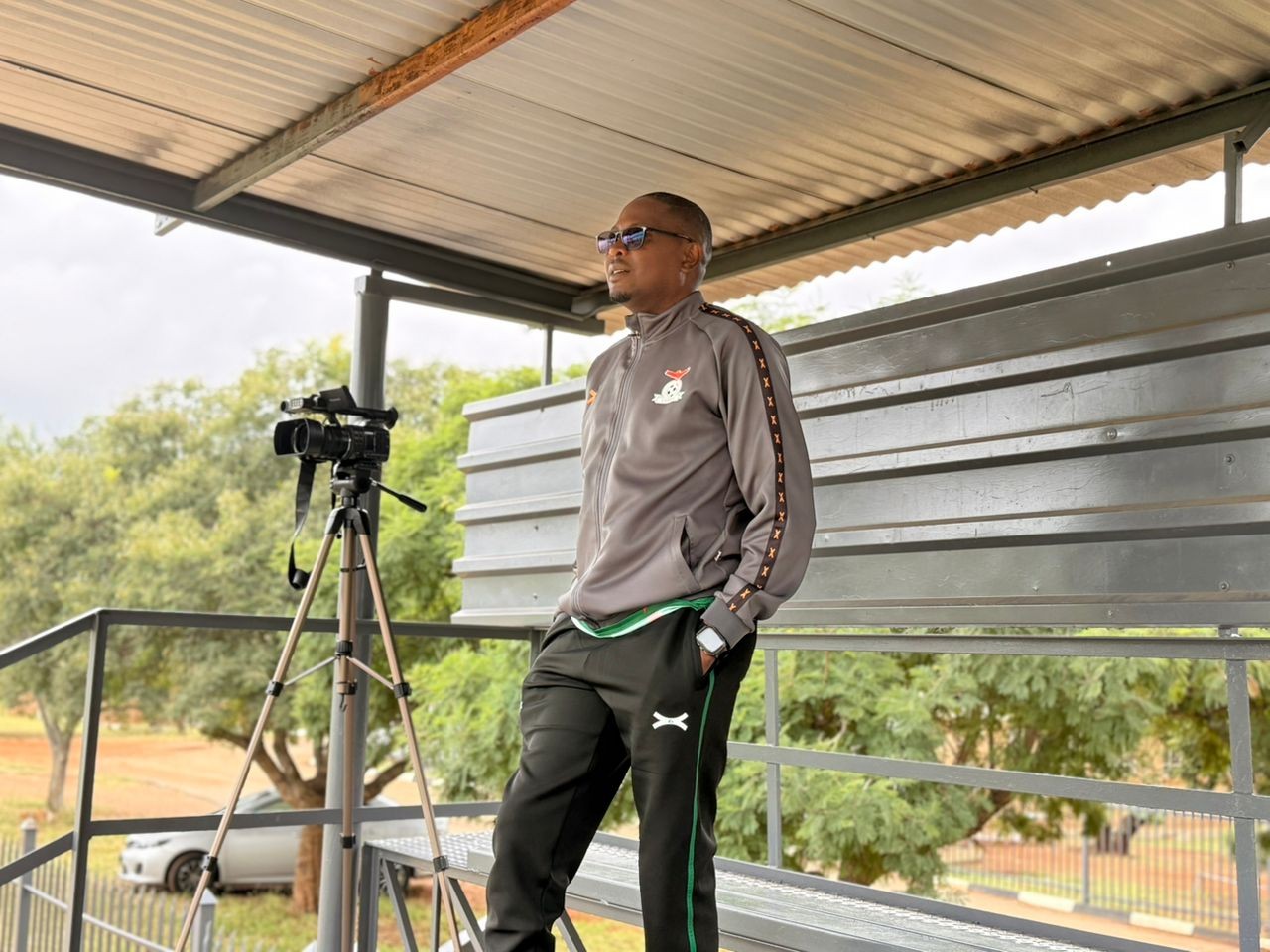
Fresh from helping Power Dynamos secure a second consecutive Zambia Super League title, Lemekani Mwanza is preparing for another major challenge.
Balancing his role with the reigning league champions alongside his work with the Zambia women’s national team, the GIS MSc Performance Analysis in Football student is building a reputation as one of the country’s leading analysts.
We caught up with Lemekani to discuss life behind the scenes in elite football, the differences between club and international analysis, and how education continues to shape his career.
Founded in 1971, Power Dynamos are the joint-second most successful club in Zambian football, winning their first league title in 1984 and securing their ninth this year.
Playing their home games at the 12,000-seat Arthur Davies Stadium, the team nicknamed the Power 90 are based in Kitwe, the country’s second-most populated city. This is where Lemekani’s football journey began in 2024.
Since joining the club as an analyst, Power Dynamos have won two league titles on the bounce. Hearing from Lemekani, you get a feel of how much it means to the team.
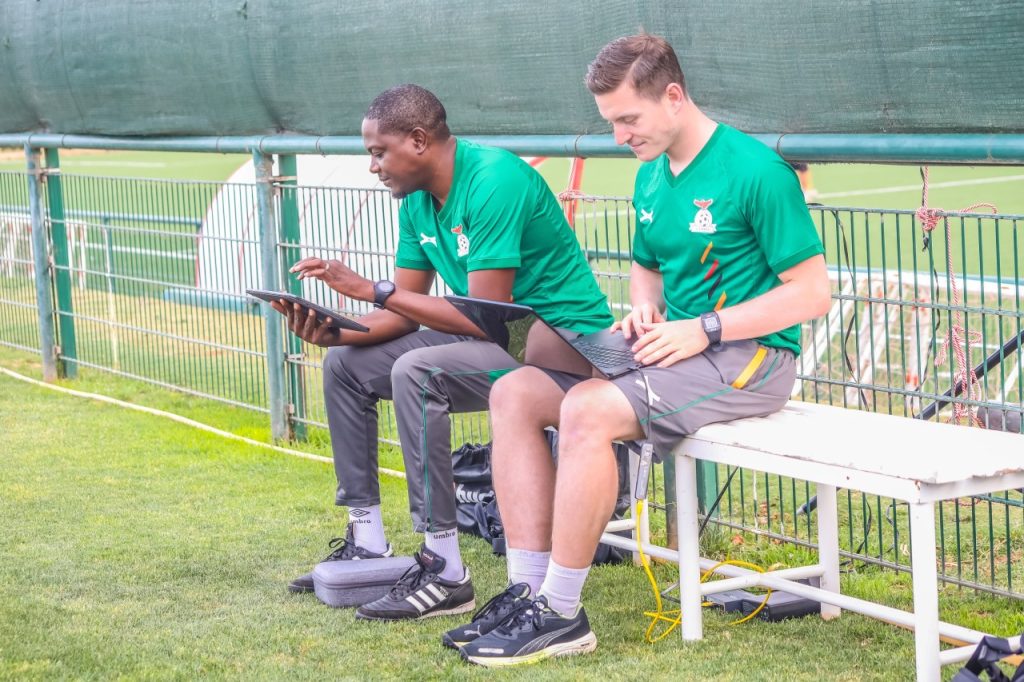
“Honestly? It never gets old.”
“The first one you think, ‘Okay, maybe we got a few things right.’ The second one,” he recalls, “tells you that it wasn’t a fluke, there’s a real process in place and everyone is buying into it.
“It means everything because this game demands so much from you behind the scenes, and most of what analysts do happens in rooms nobody sees. So when the trophy gets lifted, that’s the validation for all those late nights tagging footage and building presentations that you hope land the right way with the players.”
Lemekani’s words highlight the amount of background work that goes into success that, like he says, often goes unnoticed. The impact of the work, however, is certainly there for all to see.
“I think what I’ve been able to do is give the coaching staff a clearer picture of both us and our opponents before games. When a coach walks into a tactical meeting with video evidence rather than just words, the conversation changes. Players start to trust what they’re being told because they can see it for themselves.”
“Whether that’s identifying how a pressing trigger works against a particular team, or showing a striker the kind of spaces that open up in behind when the opponent’s fullback pushes high, those small things accumulate over a season. I won’t take credit for the goals or the results, but I’d like to think the quality of the information we gave players helped them make better decisions on the pitch.”
Similar to other video analysts, a significant portion of Lemekani’s time is naturally invested in breaking down every aspect of a football match, from discovering tactical trends to individual player analysis.
But merely watching and coding the footage is the easy part. The real skill, Lemekani believes, is in the delivery.
“My starting point is always the coaching staff’s priorities. What are the two or three key messages they want to land for this specific game? Everything I do flows from that. I’m not producing a comprehensive analysis document for its own sake, I’m building a tool that supports a specific conversation between the coaches and players.
“From there, I try to apply a simple filter: If a player watches this clip, will it change something they do on Game Day? If the answer is no, it probably doesn’t need to be in the session.”
The format, he continues, is also important, explaining that players are much more likely to absorb shorter, more focused clips than endless tactical lectures.
“The goal is understanding, not thoroughness,” he summarised.
As well as the reigning league champions, Lemekani is also an analyst for the national women’s team, who are just over a month away from competing in the 2026 Women’s Africa Cup of Nations.

Joining the Copper Queens in 2025, he was initially shocked by how different his role was to club level, where the amount of trust the players have in analysts can largely vary.
“[At club level] you’re with the same players week in, week out. You understand how they learn, what kind of information they respond to, and you can build sessions that go progressively deeper because you’re reinforcing things over time.
“The style of play is also more consistent; you know your team’s identity inside out, and you can spend more time on the fine details.
“International football is completely different. You get a small window with the players and you have to condense everything into that time. You can’t assume players have absorbed previous sessions the way they might at club level, so your communication has to be much sharper and more targeted.
“There’s also a difference in how receptive players can be. At club level, especially when you’ve built trust over a season, players are very open. They’ll come and find you after training and ask questions. At international level, especially early on, some players are still adjusting to your methods. They might be coming from clubs that do analysis very differently, or barely at all. So part of the job becomes getting players comfortable with the process first before you can get into the substance.”
Having built these analyst-player relationships, Lemekani knows the differences he needs to make in the very analysis itself during international tournaments such as WAFCON, where he outlines a real risk at tournament level of providing too much information to players “who are already carrying a lot, emotionally and physically.
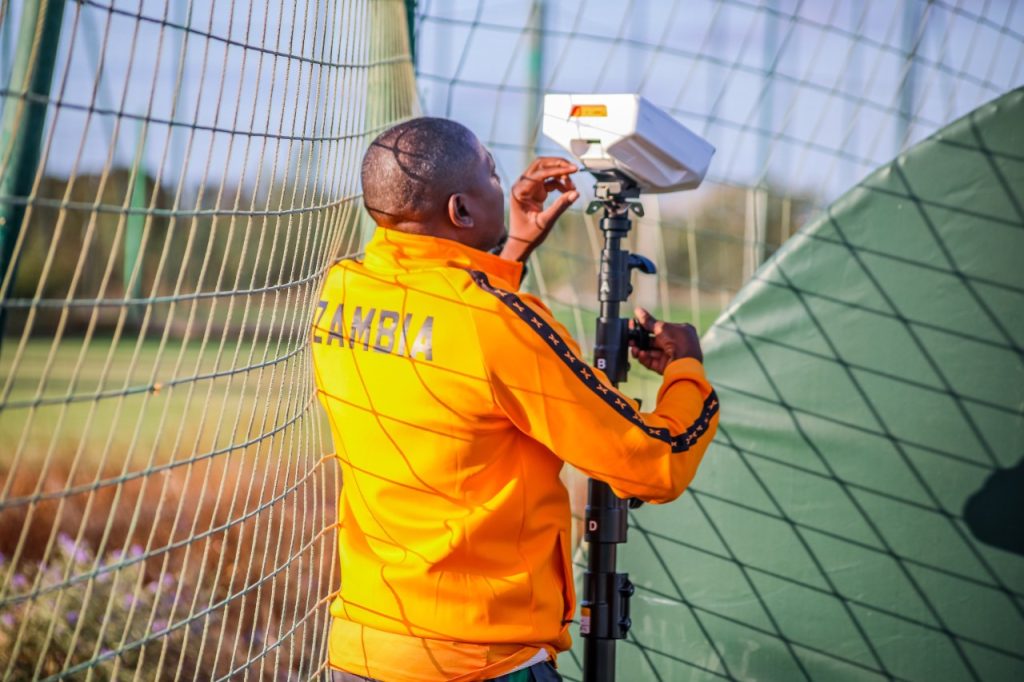
“My focus is on delivering clear, concise video sessions that answer the questions players actually have: Who am I up against, what do they like to do, and where can I hurt them?”
To get to this point, Lemekani has had to earn his badges.
Numerous qualifications awarded by organisations from Barca Innovation Hub to the Professional Football Scouts Association have all helped him learn his trade and provide evidence to his analysis. An underrated upside, however, has been what he’s learnt away from the classroom.
“The obvious benefit is the technical knowledge…but honestly, some of the most valuable things I’ve taken from those programmes are the less tangible ones.
“Conversations with other analysts from different countries, seeing how someone working in women’s football in Europe approaches the same problems I’m dealing with in Zambia, that kind of peer learning is irreplaceable. It forces you to question your own assumptions and realise that there’s never just one way to solve an analytical problem.”
He also highlights the importance of these programmes when it comes to professional credibility, describing how performance analysis is still a young discipline in African football so recognised qualifications can help to build trust with coaching staff.
Continuing his development, Lemekani is now studying on our MSc Performance Analysis in Football programme, which he feels has been “challenging in the best way.”
“In practice, analysts can develop habits and systems that work well enough, but the programme has made me ask why they work and whether there’s a better way. That kind of critical thinking is something I’ve brought directly back into my day-to-day work.
“I’m more careful now about the claims I make and more confident when the evidence genuinely supports a strong conclusion.
“It’s also given me a longer term perspective on my career. I want to contribute to the
development of performance analysis more broadly not only in Zambia or African football but the world at large, and having that academic foundation gives me the tools to do that.”
Article by Zakaria Anani


You may also be interested in

Latest news
May 12, 2026 |
What Is the Real Impact of Hosting a World Cup on Cities and Communities?
Read Post

Latest news
September 5, 2025 |
Studying at the Home of Football: Wembley’s Most Iconic Moments
Read Post
Latest news
May 5, 2026 |
Understanding the New Premier League SSR Rules: How Clubs Must Manage their Finances
Read Post
Our Partners