

Meet Your Lecturers: Connor McGillick Explains the Real Impact of Performance Analysis
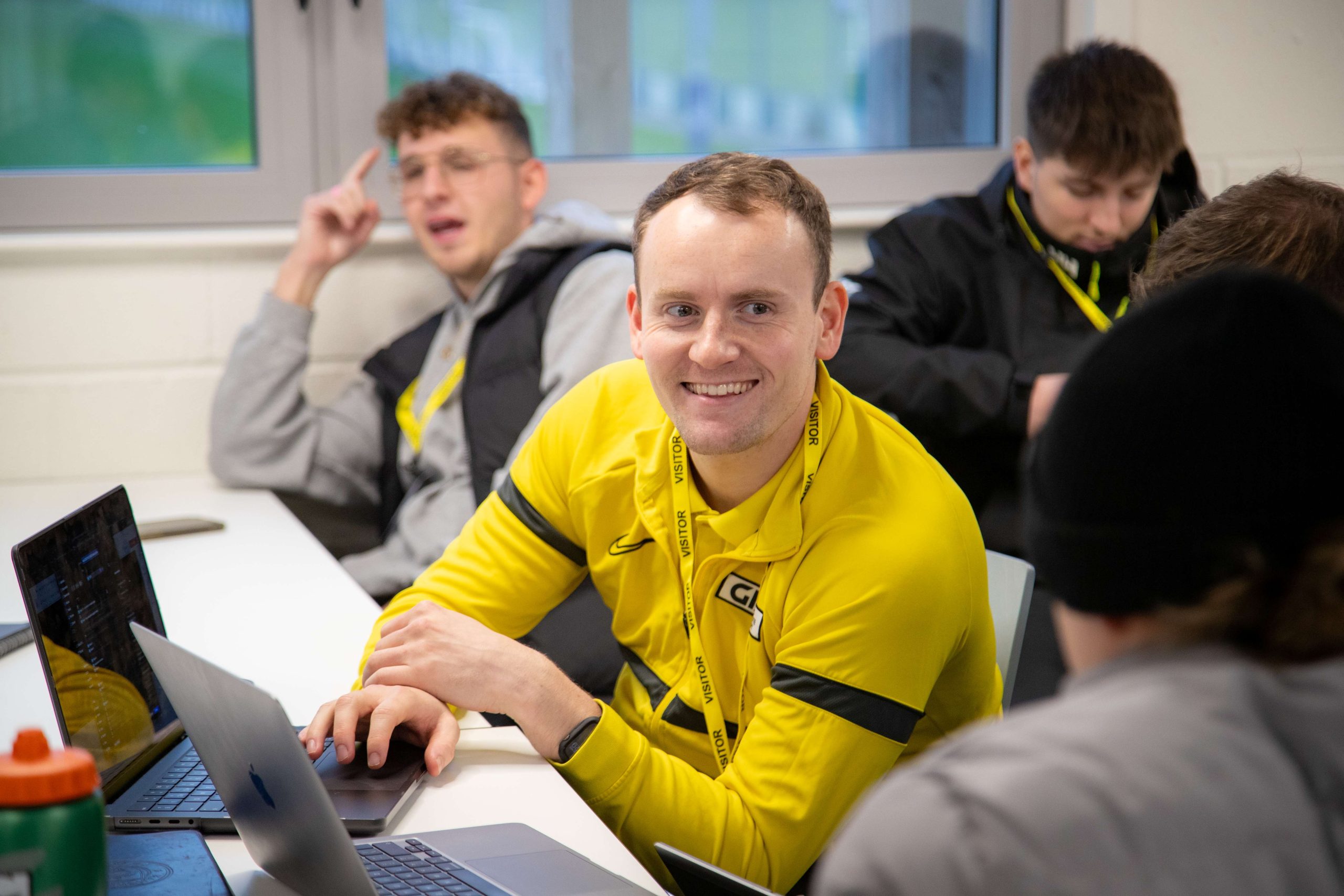
Now the Programme Leader for GIS’ MSc Performance Analysis in Football and MSc Performance Analysis in Sport programmes, Connor McGillick’s career has helped him develop valuable experience across both the practical and academic sides of performance analysis.
With roles at football clubs including Stoke City and Coventry City, experience with organisations such as British Swimming and GB Boxing, and a background in research and teaching, Connor brings a broad understanding of the industry into the classroom.
In this edition of GIS Meet Your Lecturers, we spoke to Connor about his journey into performance analysis, the relationship between analysts and coaches, and the skills students can develop through their GIS studies for success in the industry.
Could you first tell us about your journey into performance analysis and how it led you to GIS?
My journey into performance analysis was quite an unexpected one. When I first started studying sport, I didn’t necessarily know what career pathway I wanted to follow. Like many people, I thought the most obvious route was becoming a PE teacher or coach.
I studied Sports Science at university, where I gained exposure to different areas of sport, including physiology, psychology, coaching and sociology. During that time, I discovered performance analysis through some modules and began learning more about what analysts do.
I became increasingly interested in the role after seeing how analysis could directly impact sporting performance. That shifted my focus away from teaching and coaching towards pursuing a career in performance analysis.
I’ve always tried to keep the academic and applied sides of performance analysis connected, which eventually led me to GIS, where I now lead the MSc Performance Analysis in Football and MSc Performance Analysis in Sport programmes.
Students on your programmes will often want to eventually work as a coach or analyst. Considering your experience across both, is a career in research an option too?
Some students come into it with that as the goal, and others become more interested in it as they learn how the academic side is so aligned with the applied side.
They can then carry on their journey after studying with us to study further. Through that, they get into teaching others and doing their own research, or they take that research base into the clubs they’re working in.
The option is there, and even if they don’t want to be directly involved in it, that academic side that they learn is still important.
What are some things students might not realise about working as a performance analyst?
I think some might not realise the amount of hours that it takes in the day-to-day role of being an analyst.
For finding that one helpful video clip, let’s take the Origi goal example where Liverpool found that Barcelona were slow at setting up from set pieces, the amount of video that the analysts would’ve had to go through is huge.
The answers don’t just pop up. A lot of the data that you collect is either not needed or not useful, but you still need to collect it anyway, just in case they become useful.
You don’t see all the background work behind the final signing, the article or the performance on the pitch, but there’s so much behind the scenes to get to that point.
In your experience, what’s the relationship like between analysts and coaches?
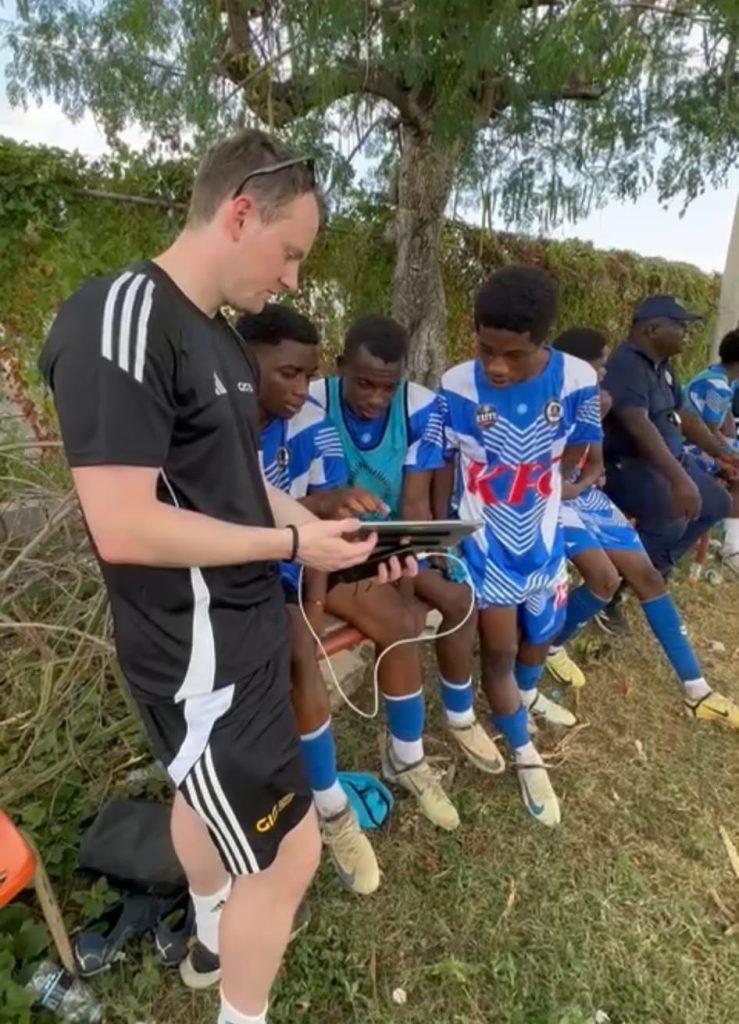
I think it varies, but it’s the job of the analyst to develop a good relationship with the coaching team and show where you can add value to them and where they can add value to you.
Some coaches will be very video-led, where they’ll see things in the game and ask if you can clip it up, but then after a while, if you’ve been working with that coach, you start to understand how they see the game and then you’re already clipping up those moments before they’ve even asked you to do it.
Others might be more data-driven, so that you can work with them on that side, and many are a little bit of both. In football, and all sports, there’s a balance between objective evidence, factual data and then also the gut feeling as well.
Having worked across different sports, how transferable are performance analysis skills?
I’d say everything carries over; it’s just the context that changes.
Whatever you’re working, the concept’s the same, right? You’re going to create clips on key moments, you’re going to create data points on performances and actions.
What’s important in rugby might be different to football, but the process of setting up your coding window, analysis software and looking at data and performances will always be the same.
What have you enjoyed most about working in performance analysis?
The value that it can add.
I think being able to find and utilise information that can directly have an impact on pitch performance is massive. Obviously there’s loads of facets to sport, you can’t just attribute everything to the analysis, but if you see that something that you’ve picked up on in the build-up to a game or you’ve found a player that either the club goes on to sign, it can be really cool.
For students who have never coded before, how easy is it to adapt to the different software platforms used within performance analysis?
Students generally adapt very well. While different platforms have different names and layouts, the underlying principles are often very similar.
For example, we use software such as Hudl Sportscode and InStat, and although the terminology may differ between platforms, the core skills of coding, tagging and analysing performance remain consistent.
Finally, what key skills will students develop during the MSc Performance Analysis programmes that they’ll need later on?
Students will obviously learn all of the key skills that they need as an analyst in terms of applied skills, like using the software, understanding the concepts, what they’re doing and why they’re doing it.
Whether they are looking to work in football or another sporting environment, they’ll develop the ability to collect, analyse and communicate performance information effectively.
But then they’ll also learn the softer skills of analysis.
For example, they’ll learn about different ways of presenting feedback, interactive feedback, coach-athlete relationships and coach-analyst relationships.
They won’t just develop the analytical skills, but also the contextual and interpersonal skills needed to work in different environments, understanding where analysis fits within a coach’s game model or a sporting organisation, and ultimately how they can have an impact on performance.
Article by Zakaria Anani


You may also be interested in

Latest news
August 4, 2026 |
GIS Partner Mount Pleasant FA Wins First-Ever CFU Club Shield Trophy
Read Post

Academics
Latest news
August 4, 2026 |
Meet Your Lecturers: Ryan Hayes on the Skills Needed for Employability, the Importance of Small Clubs and AI in Sport
Read Post

Latest news
March 25, 2026 |
Starting Your Sports Studies: Top Tips from GIS Graduates
Read Post
Our Partners