

The World Cup Effect: How Football’s Biggest Stage Changes Careers

“This is what we live for,” Harry Kane told FIFA about the World Cup, and to the competition, players are prepared to give everything.
Sometimes, this can come at a cost. Neymar in 2014, Michael Owen in 2006, and Ronaldo Nazário in 1998 are some examples of players risking their bodies to play in football’s most prestigious tournament.
A standout performance, however, can act as a launchpad for any player who rises to the challenge, but what is the wider impact? This article will outline examples of players who have experienced the best and worst of the FIFA World Cup, illustrating both the unique opportunity and unforgiving nature of the competition.
The Shop Window Effect
As we know, billions of people watch the World Cup. Included in these billions are scouts, sporting directors, and coaches, all looking for potential talent who can show their quality on the biggest stage of them all.
“Obviously, it would be a dream for me to play for Real Madrid.” James Rodríguez made this statement in 2014 following his iconic World Cup run during which he scored six goals, winning the tournament’s golden boot award.
A matter of weeks later, his dream came true, turning the Colombian star into the example of what a World Cup can do for a player.
More recently, we have seen players make big-money moves off the back of the tournament. Argentina’s Enzo Fernández is one of them. In November 2022, two weeks before being called up to the national team ahead of that year’s World Cup, his market value, according to Transfermarkt, was €35 million. Five days after winning the tournament, it was €55 million, and by the end of January 2023, he had been sold to Chelsea for €122 million.
Across those 16 appearances for club and country, Fernández’s reported market value rose by 249%, demonstrating how quickly World Cup exposure can reshape a player’s career trajectory.
The Physical Impact of the World Cup
“My foot never fully healed. Only looking back now I can say I shouldn’t have went.”
In the BBC documentary England 2006: Golden Generation, Wayne Rooney looked back at the 2006 FIFA World Cup—one that many consider to have had the most talented England squad ever.
Heading into the tournament, Manchester United’s all-time leading goalscorer suffered a fractured metatarsal, and much of the media coverage surrounding the England squad debated whether he could get fit in time.
Regretting his decision to rush back to action, injuries like Rooney’s can derail the tournament for some players, with teams recording a median of two time-loss injuries each throughout the 2022 edition. Players’ union FIFPRO further feels as though they might become more frequent in the future because of the workload in modern football.
While a 2024 study by Sky Sports found that players today are actually playing fewer games than in the 1980s, the intensity of modern football has heightened the strain on players, with FIFPRO highlighting the issue of players caught between club and national team demands.
The newly-expanded 48-team World Cup adds to this, and will be yet another summer without much recovery time for many top players who also take part in continental championships like the Euros, or the Club World Cup. The 2024/25 FIFPRO Player Workload Monitoring (PWM) Report emphasised this issue, stating an “urgent need for more balanced competition calendars.”
The Psychological Effect of World Cup Disaster
While stellar performances can leave some players at the top of their game after the conclusion of the tournament, the opposite can also be true. Captain of the aforementioned golden generation was David Beckham, a player affected as much as any other in a World Cup after the 1998 edition.
During England’s Round of 16 game against Argentina, the 23-year-old was sent off for kicking Diego Simeone. England ended up losing the game, and Beckham was subject to weeks of abuse: “I wasn’t eating, I wasn’t sleeping. I was a mess,” he said recently, underlining the effect that the spotlight of a World Cup can have on its participants.
Roberto Baggio, who missed the penalty to lose Italy the final four years earlier, felt similar: “It affected me for years. It was the worst moment of my career. I still dream about it. If I could erase a moment from my career, it would be that one.”
Overall, the visibility, physical strain and psychological pressure all portray the impact that the World Cup can have on any of its players. For some, it can lead to superstardom and launch an iconic career, while for others, the same spotlight can exacerbate failure and long-term injuries. Whether positive or negative, few sporting events have the power to change careers as dramatically as the FIFA World Cup.
Article by Zakaria Anani


You may also be interested in
Latest news
May 5, 2026 |
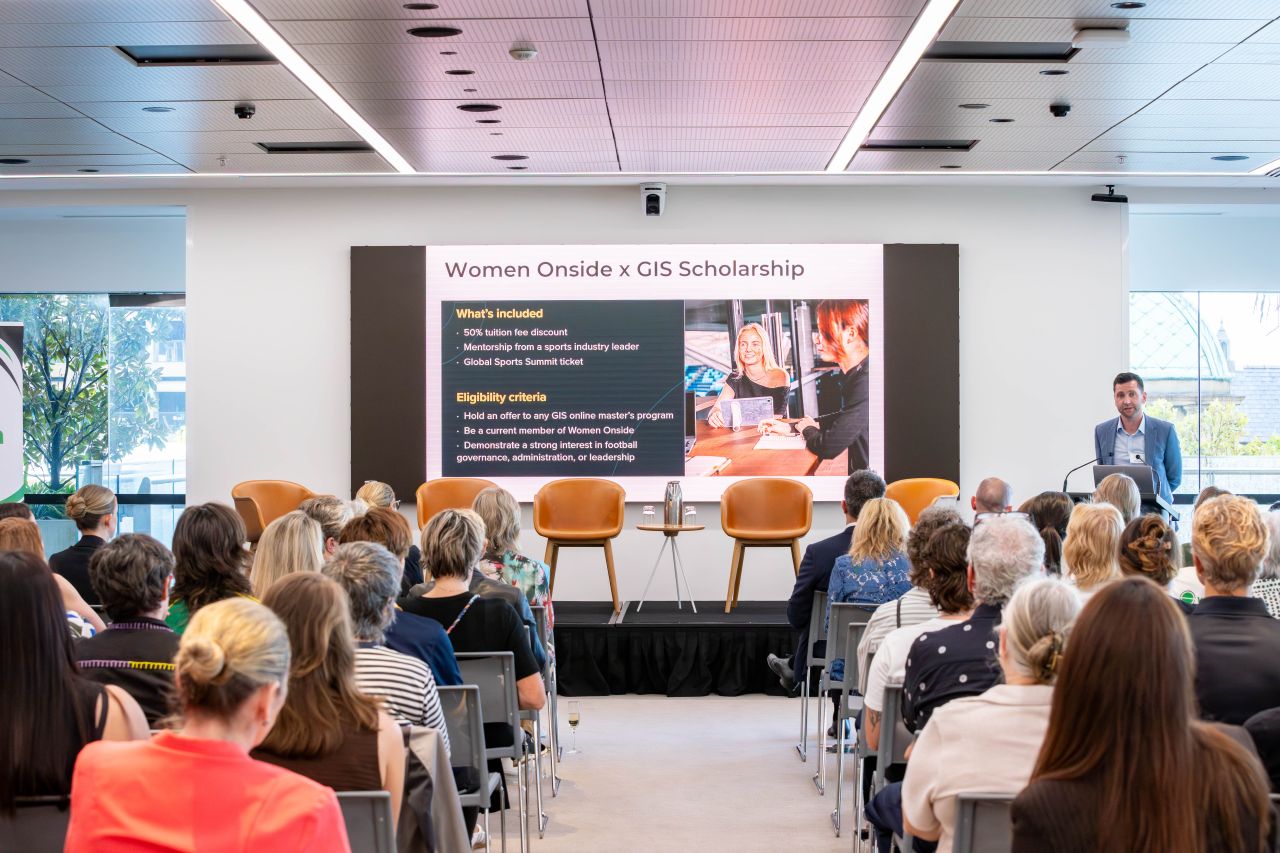
GIS Partners With Women Onside to Launch New Scholarship Opportunity
Read Post

Guest Speakers
January 15, 2025 |
GIS Insight Series Recap: Cricket’s Evolving Landscape
Read Post

Latest news
March 24, 2026 |
GIS Coaching & Analysis Student Recaps Watford and Barnet FC Residential
Read Post
Our Partners