

Rotherham United’s Head of Supporter Services: GIS Graduate Grace Scott on Working at Her Childhood Club
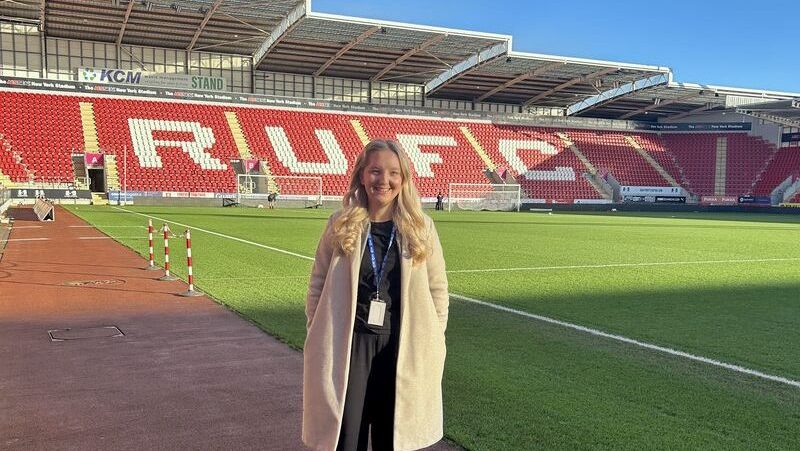
Working for the club you support is a dream for many aspiring sports professionals.
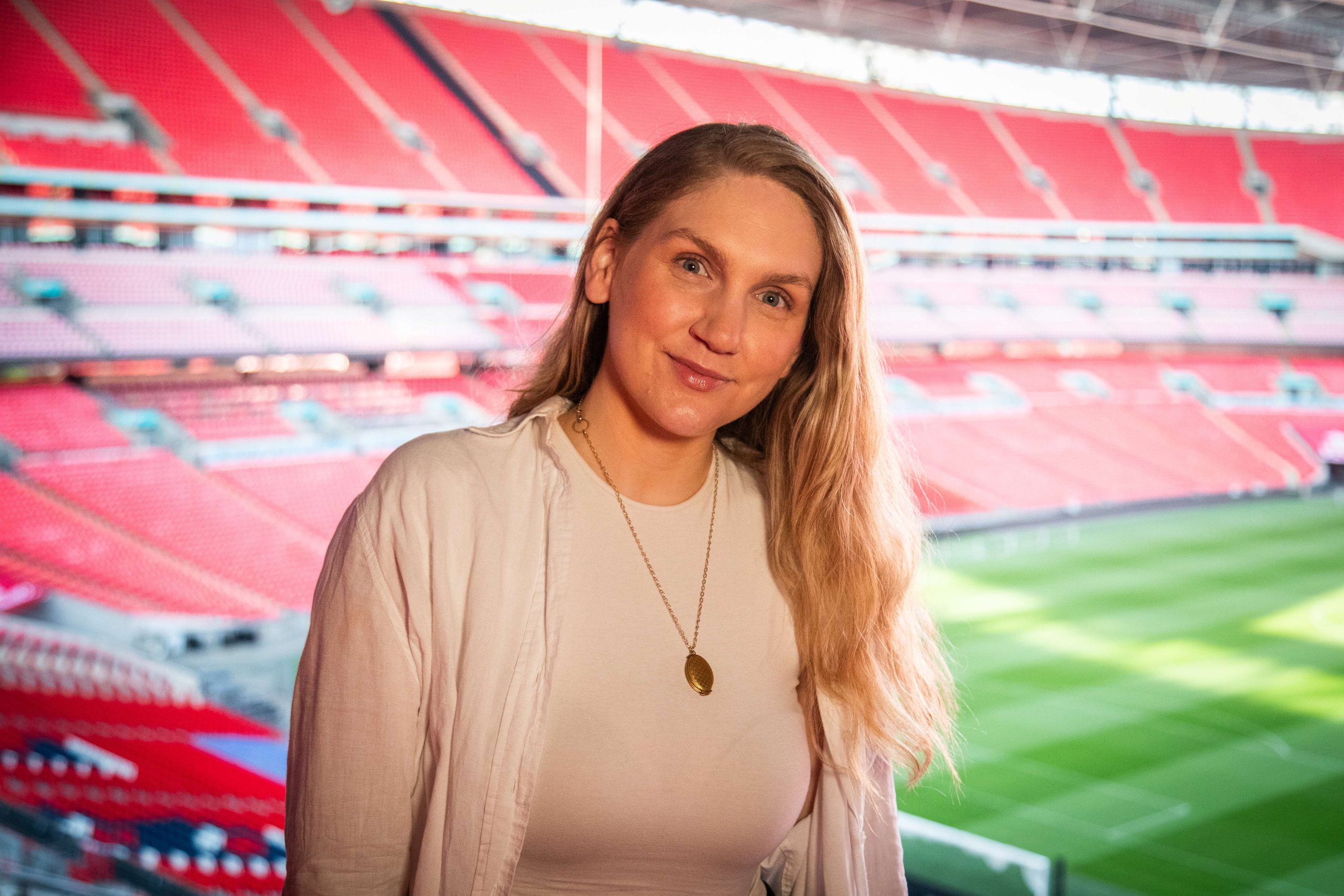
For GIS marketing graduate Grace Scott, it became a reality in 2024 when she joined Rotherham United as Head of Supporter Services.
Working closely with her fellow fans, Grace takes “a great sense of pride” in her role. She spoke to GIS about championing inclusion, strengthening supporter relationships and how her studies prepared her for a career in football.
Championing Inclusivity in Sport
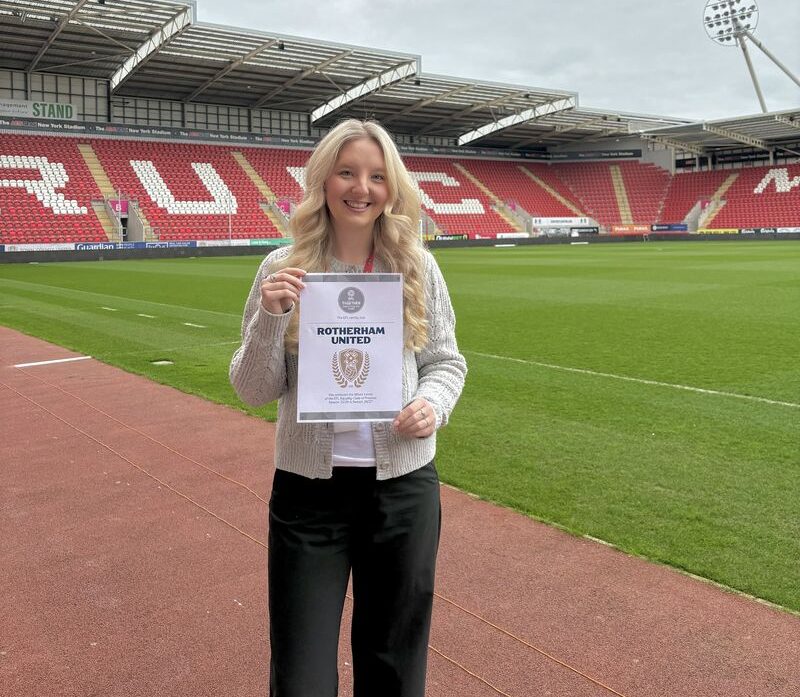
Grace’s responsibilities include ticketing and supporting the club’s equality, diversity and inclusion work. She also acts as a Supporter Liaison Officer and Disability Liaison Officer, two titles that she says make her job “very rewarding.”
“I would say football has become more inclusive across the board,” she continued, “and there are so many different opportunities off the pitch to get involved in.”
“It’s also great to be a part of the ongoing work of the EFL to align football clubs closely with their communities, which shows the strengths of each club and the area they are located within.”
Having recently completed the EFL Inclusion Lead Programme, Grace has also helped her childhood club achieve the Silver award in the EFL Code of Practice for the very first time – a goal she set when joining the club.
Her work, which has included launching Rotherham United’s first Women’s Supporters Group, is a key part of the Millers’ fan engagement efforts, which have been recognised for their progres over recent years. Since the 2024/25 season, Rotherham United have risen 34 places in the Think Fan Engagement Index which ranks English football clubs based on their dialogue, governance and transparency.
Grace also highlighted the importance of “supporter education and sharing more about what goes into a matchday and the overall operations of a football club.”
Advice for Aspiring Fan Engagement Professionals
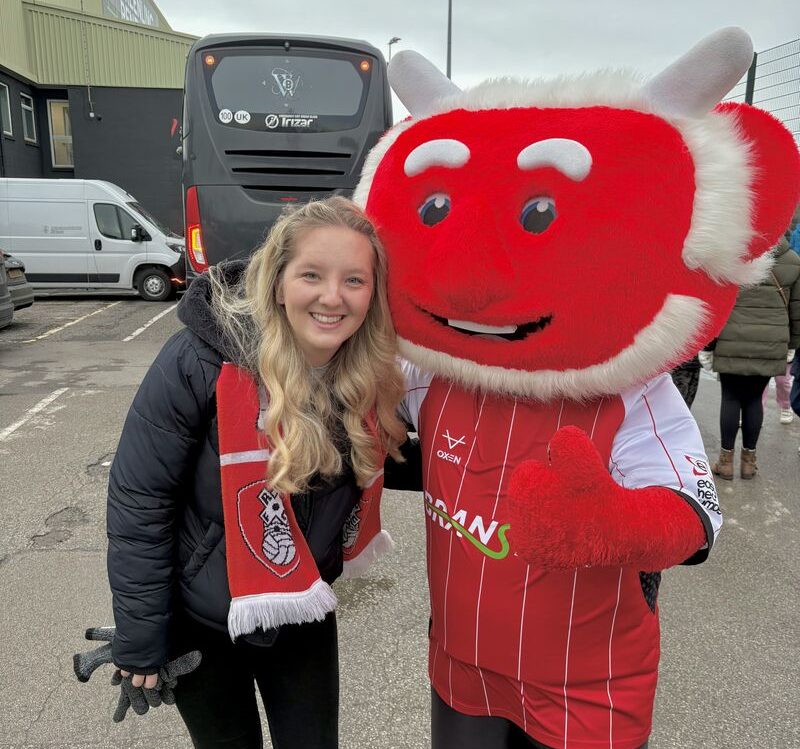
Having also worked in the media teams of Leyton Orient Women, Wycombe Wanderers and Maidenhead United since 2019, Grace is familiar with the demands of working in professional football.
Offering advice to students who are passionate about working in these environments, Grace said: “An open door policy and strong communication skills are vital to continue dialogue and manage relationships between the supporter base and the club.
“My role acts as a bridge between the Board and the supporters, so it is very important to gather and listen to feedback whilst discussing internally to set targets and give thanks to the supporters for their input.”
Putting Her GIS Studies into Practice
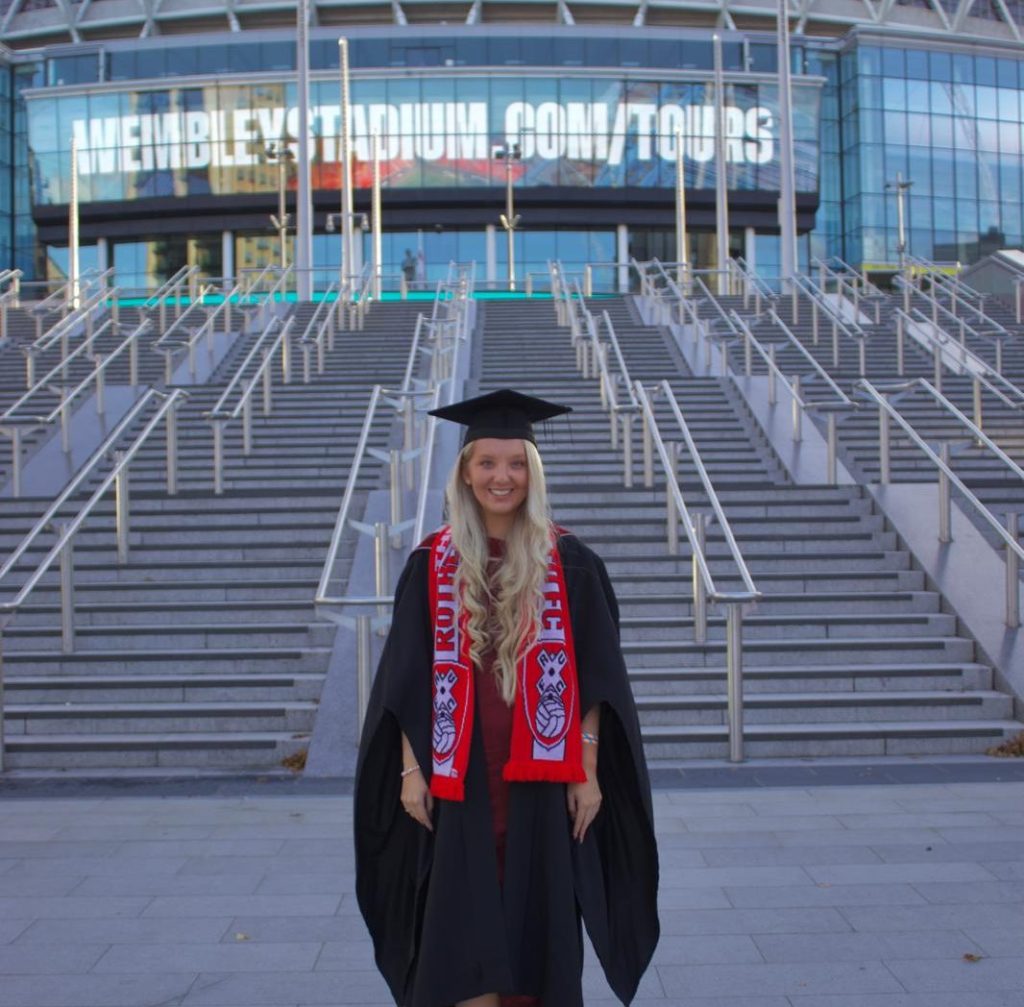
Grace credits her time at GIS with helping her develop the communication and collaboration skills she now uses to work with colleagues and supporters.
“The communication skills I’ve mentioned were developed during my time at GIS, where I worked with my fellow students to write reports and present ideas whilst listening to their feedback and decision making.
“Connections are so important when working in football and GIS provides the opportunity to study with like-minded individuals who share the same passions and drive in the industry.
“Make the most of these relationships and stay in touch with each other!
To hear more stories of GIS students and graduates like Grace Scott who are building careers in the sports industry, explore our news page.
Article by Zakaria Anani


You may also be interested in

Our Partners