

Inside Event Management at the World Cup: ‘Relationships Were Tested Hourly’
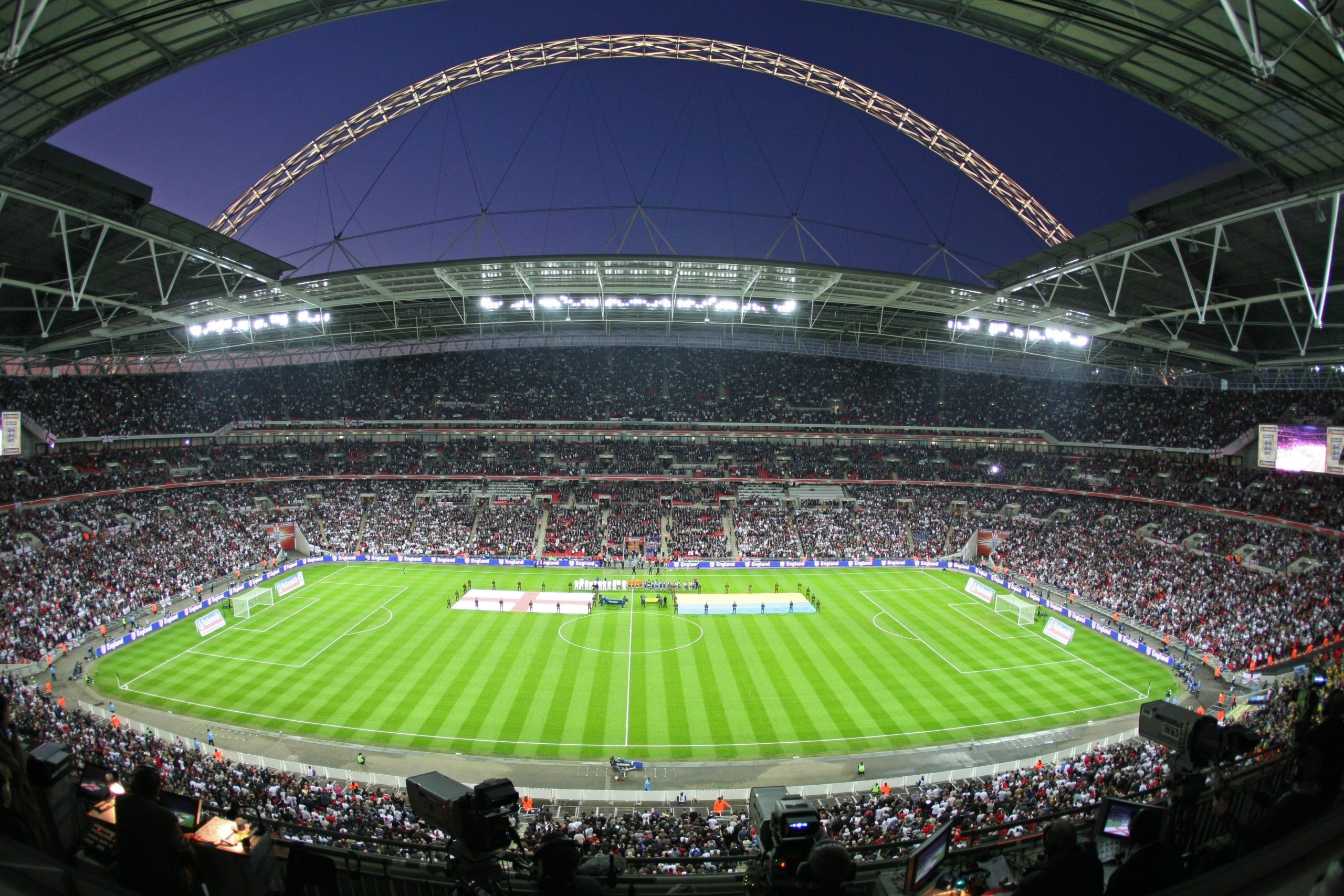
Whether it’s the FIFA World Cup or the Olympic Games, major sporting events bring immense national pride to the places that host them.
And whether it be social change or a lasting sporting legacy, there are multiple upsides to doing so.
But the efforts made behind the scenes often go unnoticed – they are essential to making the competitions tick.
Event managers are a key piece of the puzzle that is running a smooth event, working behind-the-scenes to plan and execute the daily minutiae during the spectacle.
“In the lead-up to a major sporting event,” says Sharifa Wilkinson, “hopefully most of the planning is complete.”
Speaking to GIS, Sharifa is a sports events professional who has led some of the world’s most high-profile sporting events.
The 2022 FIFA World Cup saw a cumulative 3.4 million fans head to Qatar as Lionel Messi eventually lifted the trophy. Working as a Last Mile Cluster Manager, Sharifa was at the epicentre of these fans’ experience without them knowing— planning, organising, and delivering crowd management operations across various locations that included two airports, two fan zones and the FIFA Fan Festival.
“This period can be extremely demanding,” Sharifa said when asked about the lead-up to a major event.
“Onsite days often run over 12 hours, and in some instances I’ve worked 15–18 hour days in the final stretch. It’s one of the most stressful phases of the event cycle, as the smallest gaps in planning need to be resolved before the event begins.
“The intensity in this period also has a knock-on effect going into the delivery phase, which makes strong preparation even more critical.”
Having played football at a high level, Sharifa majored in sports management at Syracuse University, and now has over 10 years of experience leading various global events. Running us through what goes on in the build-up to the event, she explained that most of the work focuses on readiness, including refining policies and procedures, staff and volunteer training, and running simulations.
“The week before the 2022 World Cup we executed two mini test events to stress-test complex aspects of our planning.
“Local school children and their families were engaged to help simulate crowd flows in the Last Mile during ingress to the FIFA Fan Festival.”
As for when the event is on, main responsibilities include venue walkthroughs, briefing volunteers, and troubleshooting issues that may come up on the day, as well as keeping contact with stakeholders to provide updates on how the event is going.
“Equally important is staying engaged with your team: checking on their wellbeing, ensuring they have what they need, and keeping morale high.”
These interpersonal skills are vital when it comes to successfully organising an event, and Sharifa emphasises relationship management as, ‘without question’ the most important one.
“I once had a colleague tell me, ‘The best plan in the world is at best 85% effective.’ That remaining 15% will always require on-the-ground management, and that’s where relationships matter.
“Having strong connections allows you to get support, ask for help, and adapt quickly. If those relationships aren’t built before the event, it’s much harder to establish them in the moment when you need them most.
“Being approachable, respectful, and collaborative pays dividends throughout planning and delivery. At the 2022 FIFA World Cup, I worked with 15+ key stakeholders and dozens of staff every day. Relationships were tested hourly, and the partnerships that held strongest were those built on calm communication, mutual respect, and openness to collaboration.”
Between 2023 and 2033, the global sports event market is projected to expand from USD 421.79 Billion to USD 862.12 Billion. Working in an industry of this scale comes with its demands, and finding a way to deal with these is something that Sharifa admits she hadn’t considered at the start of her career.
“I underestimated how central sleep, proper diet, and overall wellbeing are to operational success.
“It’s easy to get caught up in the drive to give 110%, but if you’re exhausted, sick, or simply not taking care of yourself, your ability to make good decisions is compromised, and this has a direct impact on your operations. Major sporting events can last weeks, so sustainability is key. If you burn out in the first few days, you let yourself and your team down. That’s why I try to prioritise eating well, sleeping, drinking water, and encouraging my teams to adopt healthy behaviours. Regular check-ins with yourself and your team members are just as important as operational briefings. These events are demanding enough without adding preventable wellness issues to the mix.”
Having also worked on the 2018 Commonwealth Games, Sharifa’s career so far shows how rewarding and varied a career as a sports events professional can be. As someone aspiring to follow a similar career path, education may be a good first step, with GIS offering expertly-designed courses such as MSc International Sport Management.
To learn more, discover our course offerings.
Article by Zakaria Anani


You may also be interested in

Latest news
December 9, 2024 |
How the Middle East became the sports industry’s go-to destination
Read Post
Alumni
May 30, 2025 |
Growing in the Coaching Industry: Sasha Crooknorth Student Profile
Read Post
Academics
Latest news
July 29, 2026 |
Meet Your Lecturers: How Gustavo Spanholi Teaches the Next Generation of Football Agents
Read Post
Our Partners