

The Growth of Esports: Viewership, Sponsors, and Career Paths
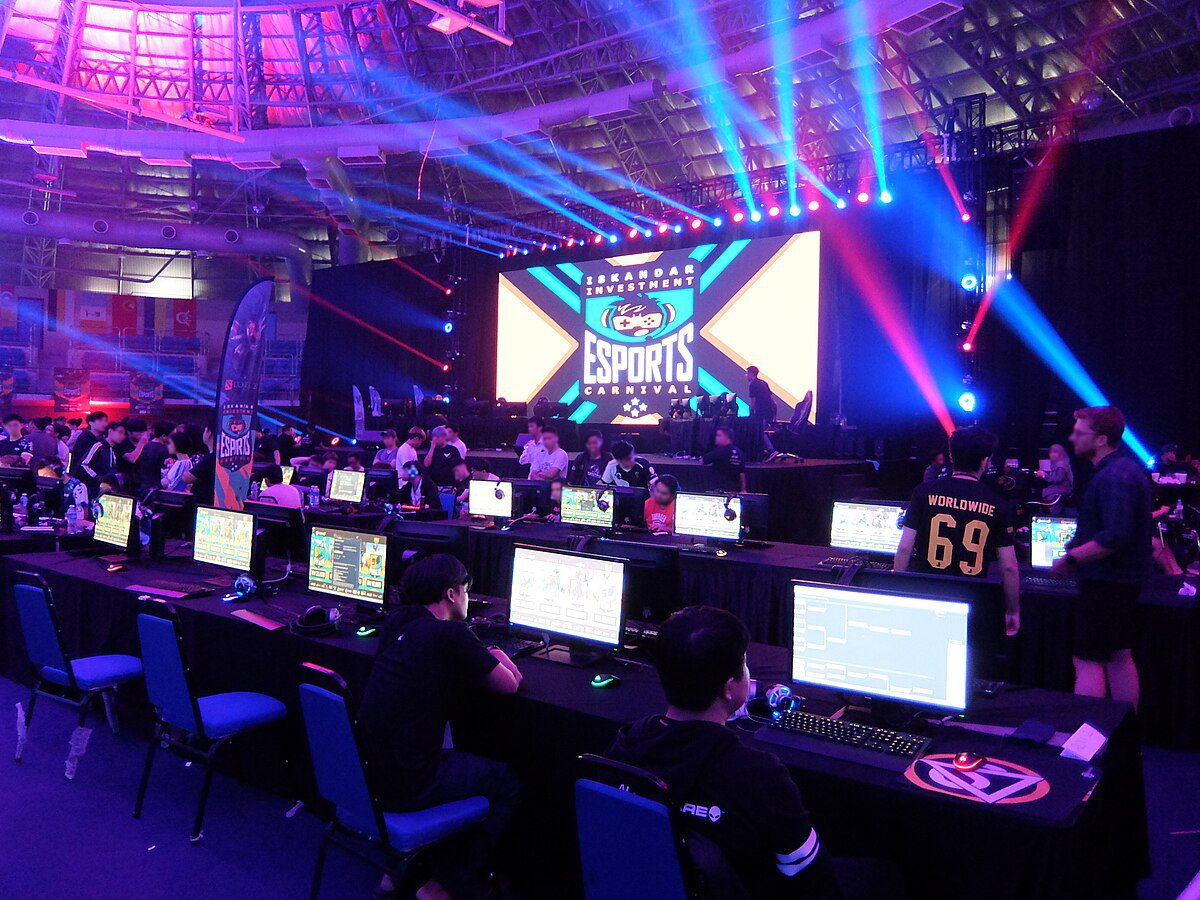
Image: “Iskandar Investment Esports Carnival 2019” by Chongkian, originally uploaded to Wikimedia Commons; licensed under Creative Commons Attribution-Share Alike 4.0 International (CC BY-SA 4.0)
Esports is a rapidly-growing industry.
This year, the worldwide revenue of the esports market is projected to reach US$4.8bn, and is set to maintain this trajectory with an annual growth rate of 5.56%.
By 2029, esports is predicted to have 896 million users. But what’s the cause of all this growth, and what opportunities can come from it?
The Viewership Boom
Marked by the launch of streaming platform Twitch in 2011, the last 15 years have seen rapid growth in esports viewership.
Featuring games such as Dota 2, Valorant, and League of Legends (which has over 100 million monthly active players), esports events often draw millions of viewers with the winners taking home millions in prize money.
The 2012 League of Legends Season 2 World Championship was a key turning point for viewership, as 1.1 million people watched the event held in California. Previously, the record for peak concurrent viewers stood at around 567,000, meaning the tournament nearly doubled it.
This seemed to open the floodgates, with following years seeing the record broken multiple times by significant figures, further highlighting the industry’s growth. Now, the record stands at 6.94 million, which was reached during the 2024 League of Legends Worlds.
A large part of the progress that esports has made can be attributed to a more diverse viewership base. Despite China’s continuous status as a major player in the esports world in terms of both players and spectators, progress has slowed, and the country experienced a growth of just 0.42% in 2024.
Other regions have instead taken over when it comes to growth, with Latin America now expected to add 60 million esports viewers by the end of the year.
Africa is another, with the widespread participation of mobile esports leading to dramatic increases in popularity. Reports show that the number of video game users on the continent increased from 77 million to 186 million between 2015 and 2021.
The Growth of Sponsorships in Esports
Until recent years, companies that sponsored esports were typically ones related to gaming.
However, household names have now entered the fray, sponsoring everything from the competitions to players themselves, with sponsors contributing 42% of the esports market’s revenue.
Streaming company Twitch is a major investor, sponsoring events such as the Esports World Cup and esports teams like Team Liquid to stream exclusively on the platform.
Another is Nike, who signed a four-year deal in 2020 with T1— one of the world’s most popular esports teams— as their official apparel partner, whilst we’ve also seen Adidas and Mercedes-Benz negotiate their own deals in the industry.
The impact of these sponsorships is dramatic— esports competitions can now offer prize pools that often exceed that of an Olympic gold medallist, enabling teams to improve both their training facilities and marketing output.
Career opportunities
The growth of esports inevitably sees a growth in career paths available in the industry, and there are many potential roles that you may not have expected.
These include opportunities that are much like what we see in traditional sport, for example, commentary. In esports, most events will use two commentators (a main commentator and a colour commentator) as the voices of the event, providing a unique path for anyone aspiring to work in broadcasting. Other media-related roles include production crews, who ensure the game footage, cameras, and graphics are in order for the millions watching at home.
Esports teams, similar to your favourite football club or basketball franchise, also need sponsorship managers who secure deals with some of the world’s biggest brands, event managers to organise the venues, and marketing executives who boost the profile of their brand.
As the industry continues to grow, with regions outside of East Asia offering more users and spectators than ever, these roles will become more and more vital.
An exciting opportunity for aspiring professionals, there are many career paths to choose from. Whether it be broadcasting or sponsorships, GIS offers students a variety of our sports courses to give you the knowledge needed to thrive in the esports industry.
Article by Zakaria Anani


You may also be interested in

Alumni
March 25, 2026 |
GIS Graduate Craig Bowker on Coaching, Career Development and Continuous Learning
Read Post

Latest news
April 23, 2025 |
Are We in a New Running Boom? London Marathon 2025 and the Rise of Running Culture
Read Post

Latest news
July 23, 2025 |
Women’s EURO 2025 Breaks Records: Attendance, Prize Money, and Global Viewership Stats
Read Post
Our Partners