

Why Adaptability Is One of the Most Important Skills in the Sports Industry
“For students searching for that entry-level position, it’s often good to position yourself as a bit of a ‘Jack-of-all-trades’ before specialising further down the line.”
Discussing the importance of well-roundedness and adaptability, lecturer Ryan Hayes believes the skills are pivotal for students to have as they look for work in the competitive sports industry.
Whether it be on the pitch, in the stands, or within the newsroom, sports professionals will need to work with new technologies, audiences and expectations as their careers progress, making the ability to evolve along with them vital.
So what do some of these professionals say?
Adapting to Different Sporting Environments
Lecturer James Bush, who is a member of Liverpool FC’s international academy coaching team, provides an example in his field of work, understanding the need to be open-minded if you want to work in multiple countries.
“One of the biggest things I noticed was that while football is a global game, the coaching culture isn’t. Different countries had different expectations around communication, player autonomy, parent involvement, and even what success looked like.
“I learned very quickly that you can’t just deliver the same session in every environment and expect it to have the same impact.”
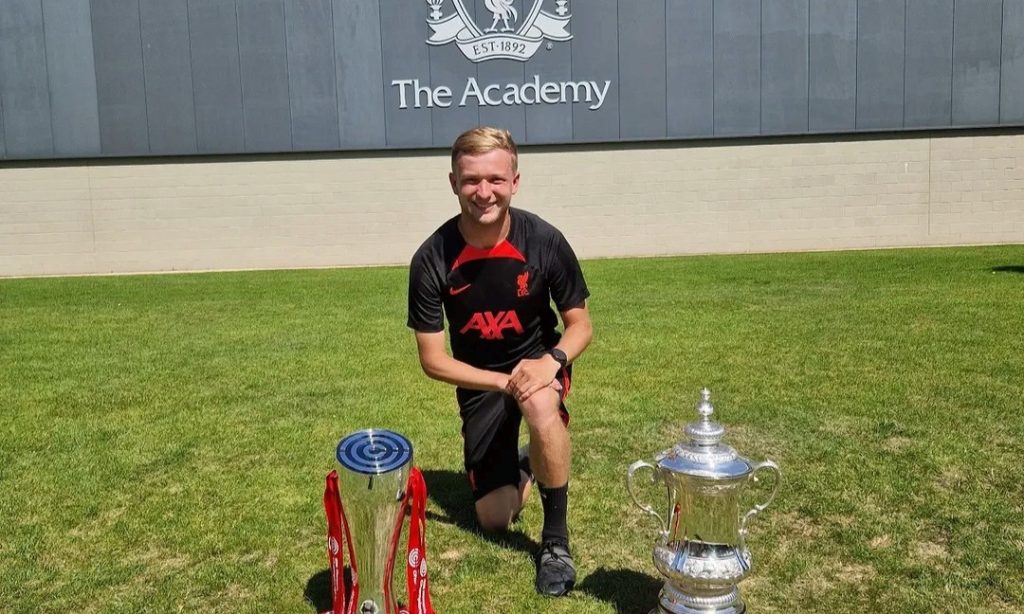
Also an academy coach at Wigan Athletic, James’ roles have seen him work internationally to deliver camps and training sessions, including in multiple northern European nations where his environment forced him to evolve as a coach.
“Coaching in Scandinavia, I was impressed, almost blown away, by players’ ability to learn, and this led to me having to be considerate of the challenge point I present as a coach.
“Being adaptable became one of the most important coaching skills I developed.
“It also reinforced the importance of understanding the people you’re working with before trying to impose your own way of doing things.”
Also emphasising the importance of people skills in the sports industry, James’ experience abroad shows the value of adaptability as a coach—the same can be said in any sporting role.
Adaptability in the Media
Beginning with the printing press and advancing to the present day where artificial intelligence is becoming increasingly prominent, entire industries are having to adapt to the latest emerging trends.
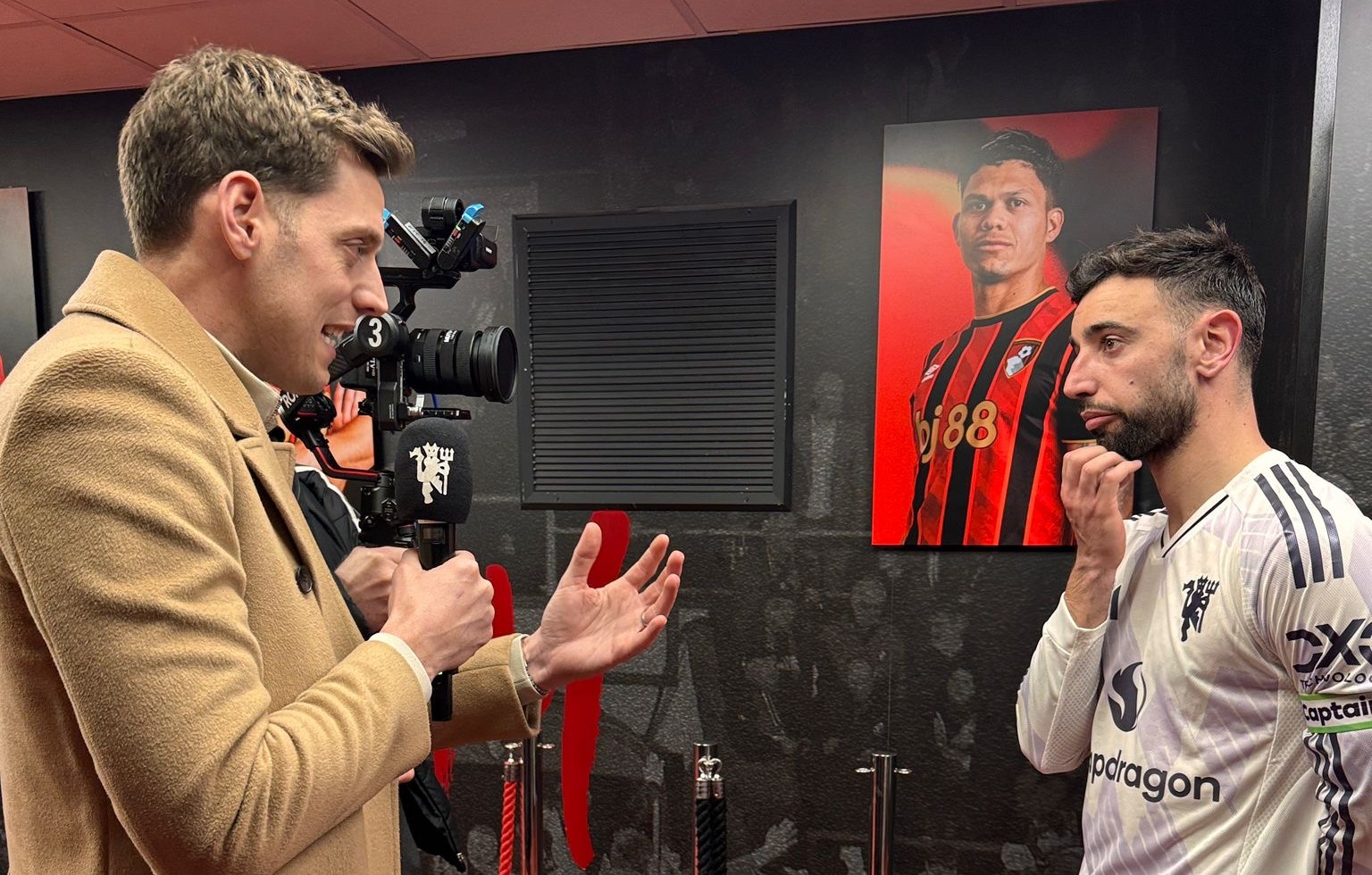
Aspiring media professionals are no different, with Manchester United and the BBC’s Sam Homewood underlining the need to adapt with GIS students, discussing the rise of AI.
“It might be that it takes roles in production, editing packages or deciding camera angles…it will certainly shift how we analyse sports data and how that is relayed to audiences.”
“Technological advancements in journalism are common,” he continued, “so modern journalists must do what the generations before did and evolve, embrace technology and gather as many skills as possible across a wide range of platforms.”

This advice proves to be true across generations, with Lucy Casey, a freelance editor for talkSPORT and former presenter for AFTV, echoing Sam’s words.
“No matter what type of content you want to create, it’s important to be able to adapt, constantly motivate yourself to stay consistent, and remain authentic to yourself.
“If there are specific hard skills you need, it would be wise to practice them in your own time to develop further- everyone’s always learning!”
So that skill—adaptability—is undoubtedly needed in Lucy and James’ roles. Further, there aren’t many roles where it isn’t needed, particularly when it comes to the biggest stage…
Adaptability Under Pressure
At the Qatar 2022 World Cup, event manager Sharifa Wilkinson oversaw crowd management operations at five key venues with millions of visitors combined. Speaking to GIS about her role, she stressed that adaptability is as necessary as it is recommended.
“I once had a colleague tell me, ‘The best plan in the world is at best 85% effective.’ That remaining 15% will always require on-the-ground management, and that’s where relationships matter.”
“Having strong connections allows you to get support, ask for help, and adapt quickly. If those relationships aren’t built before the event, it’s much harder to establish them in the moment when you need them most.”
Alongside her other current roles in education and governance, Sharifa was also a venue manager at the official FIFA Fan Festival in Ontario this summer, positioning her well to offer some further advice to future event managers.
“Being approachable, respectful, and collaborative pays dividends throughout planning and delivery. At the 2022 FIFA World Cup, I worked with 15+ key stakeholders and dozens of staff every day. Relationships were tested hourly, and the partnerships that held strongest were those built on calm communication, mutual respect, and openness to collaboration.”
Across all of these examples, adaptability can take a different form: For a coach, it can mean getting used to new coaching styles, for a journalist, it can mean responding to new platforms and audiences, while for an event professional, it can mean performing under pressure when plans change at the last moment.
Importantly, the same message is clear: adaptability is vital for success in the sports industry.
Article by Zakaria Anani


You may also be interested in

Alumni
December 12, 2024 |
GIS graduate Rohan Shukla enjoying partnership role at Portsmouth FC
Read Post

Latest news
August 26, 2026 |
The Premier League’s New Rules: What Do Fans Need to Know?
Read Post

Latest news
December 9, 2024 |
How the Middle East became the sports industry’s go-to destination
Read Post
Our Partners